Posts tagged #costarica
Costa Rica: Sloths, Sexy Helmets and Class 4 Rapids

Costa Rica had been on my list for a while. Wildlife, rainforest, volcanoes, beaches, and ceviche are all very appealing. Spiders and the repeated requirement to wear helmets and harnesses, are slightly less so. Still, in the interests of thorough travel research, I went.

San José – a brief encounter

We started with one night in San José at Hotel Presidente, which was really just a chance to land, sleep and prepare ourselves for the 5am alarm clock the following morning. For once having a bit of jetlag paid off as early the next morning after a quick breakfast we set off for Tortuguero on the Carribean coast, driving to the dock before transferring to a boat for the journey to Tortuga Lodge. And this is where Costa Rica really began.

Tortuguero – The Caribbean Coast, but not how you know it!

As the boat zipped through the waterways towards our hotel we spotted our first sloth — followed by a crocodile, which was considerably less cuddly. Travelling by river and spotting wildlife as you go, is a rather fabulous way to arrive at a destination.
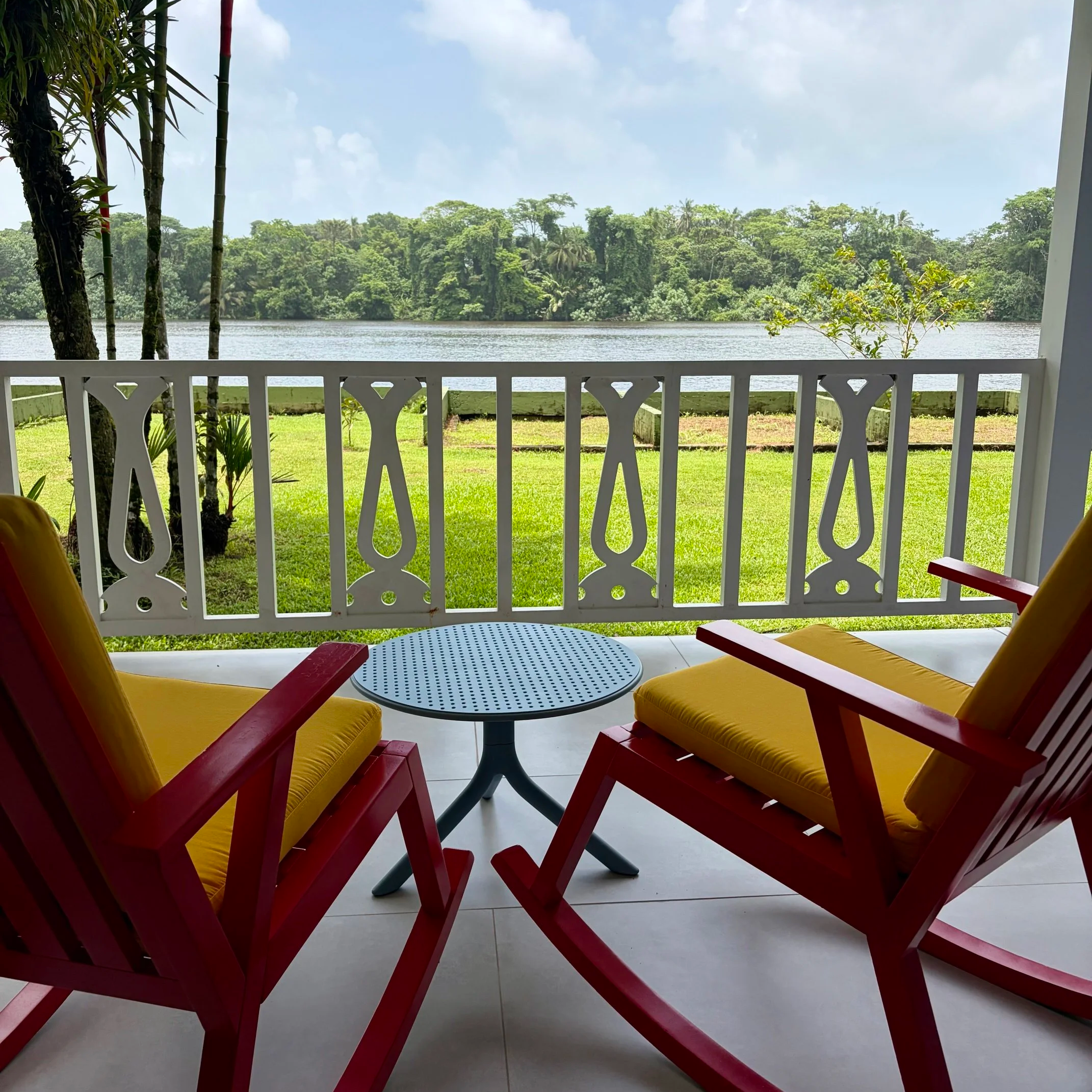
Room with a river view, Costa Rica

Our room was beautiful, right on the river, with plenty of space to relax between all the activities we had planned. That evening instead of cocktails overlooking the river before dinner we threw caution to the wind and headed out for a night walk.

Night walks are a recurring theme in Costa Rica. Essentially, you wander around in the dark looking for things you would probably rather not find in your bedroom. Luckily, this one was all about frogs. Tiny frogs, brightly coloured frogs, enormous frogs — an extraordinary number of frogs.
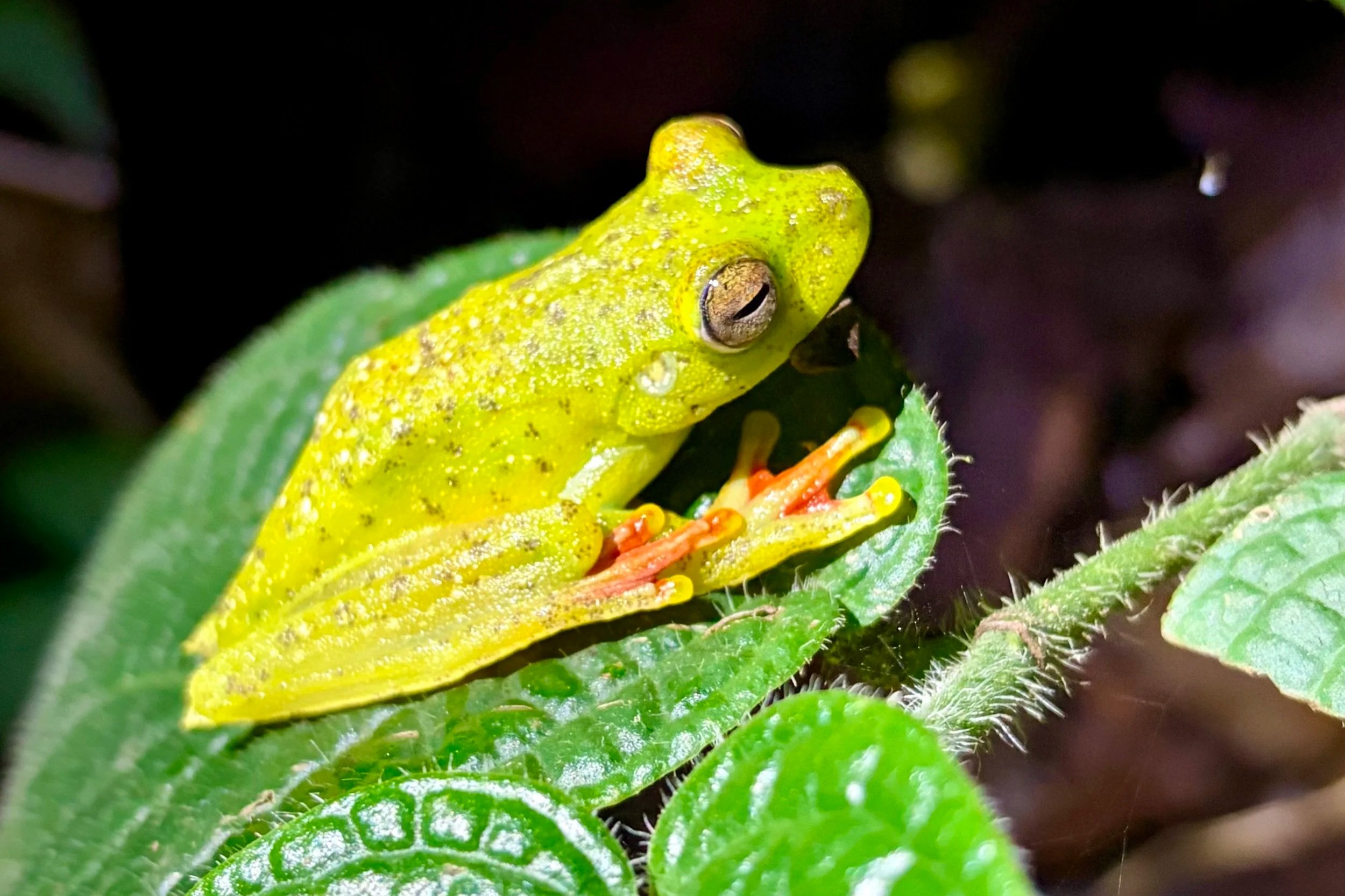
Tree frog

Dinner afterwards was excellent, and I discovered that Costa Rica does a very good ceviche. This was important research and one I was happy to repeat throughout the trip. The following day we kayaked along the river, spotting birds and monkeys, and climbed a volcano. By this point I was beginning to realise that this wasn't going to be one of those holidays where you return home wondering whether you've moved enough.

Pacuare Lodge – arriving by basket

After two nights at Tortuga Lodge, we transferred to Pacuare Lodge, which is buried deep in the rainforest. There are two ways to arrive. You can raft in. Or you can go off-road before being winched across the river in a basket. Obviously. We arrived in a basket!!

Pacuare was quite extraordinary. We had possibly the most amazing room of the entire trip, overlooking the river with our own private plunge pool. The sort of place where you immediately wonder whether cancelling the day's activities and simply sitting in the pool might be the more sensible option.

Sadly, there was canyoning to be done. This involved being trussed up in a harness and helmet and lowered down waterfalls. There was some talk of "letting go” and “free falling” I made it very clear that nobody was letting go of anything. I would be lowered gently and carefully – just like a giant spider -  thank you very much.
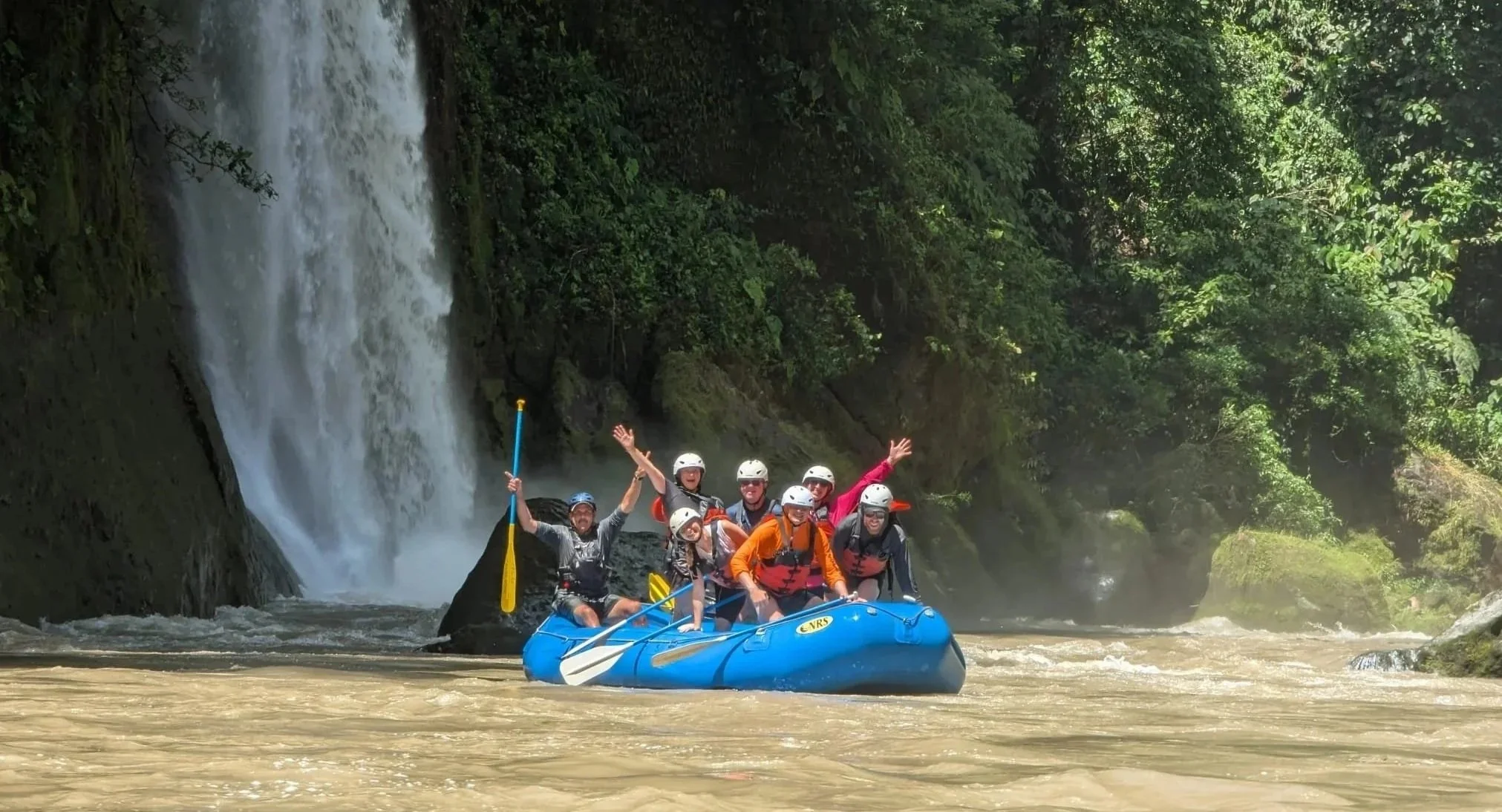
White water rafting, Costa Rica

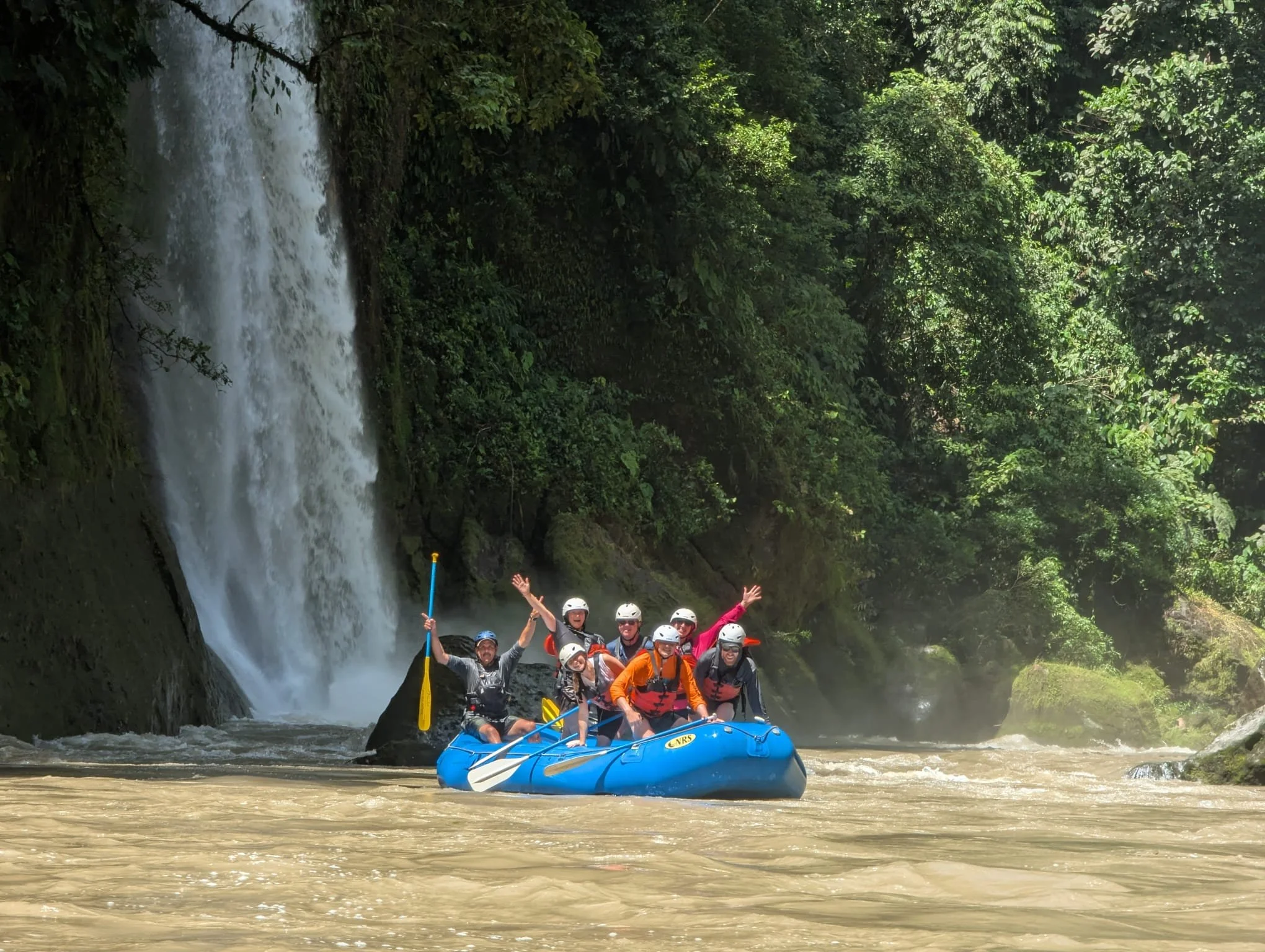
After two nights at Pacuare it was time to leave — by white-water raft. Out came another extremely flattering helmet, and off we went to discover exactly what Class 4 rapids are. For anyone wondering, they are quite bumpy. And wet. And considerably more exciting than they sound when you're reading about them from the safety of your sofa.

Arenal – volcanoes and hot springs

Next stop was Arenal, staying at Tabacón Thermal Resort and Spa
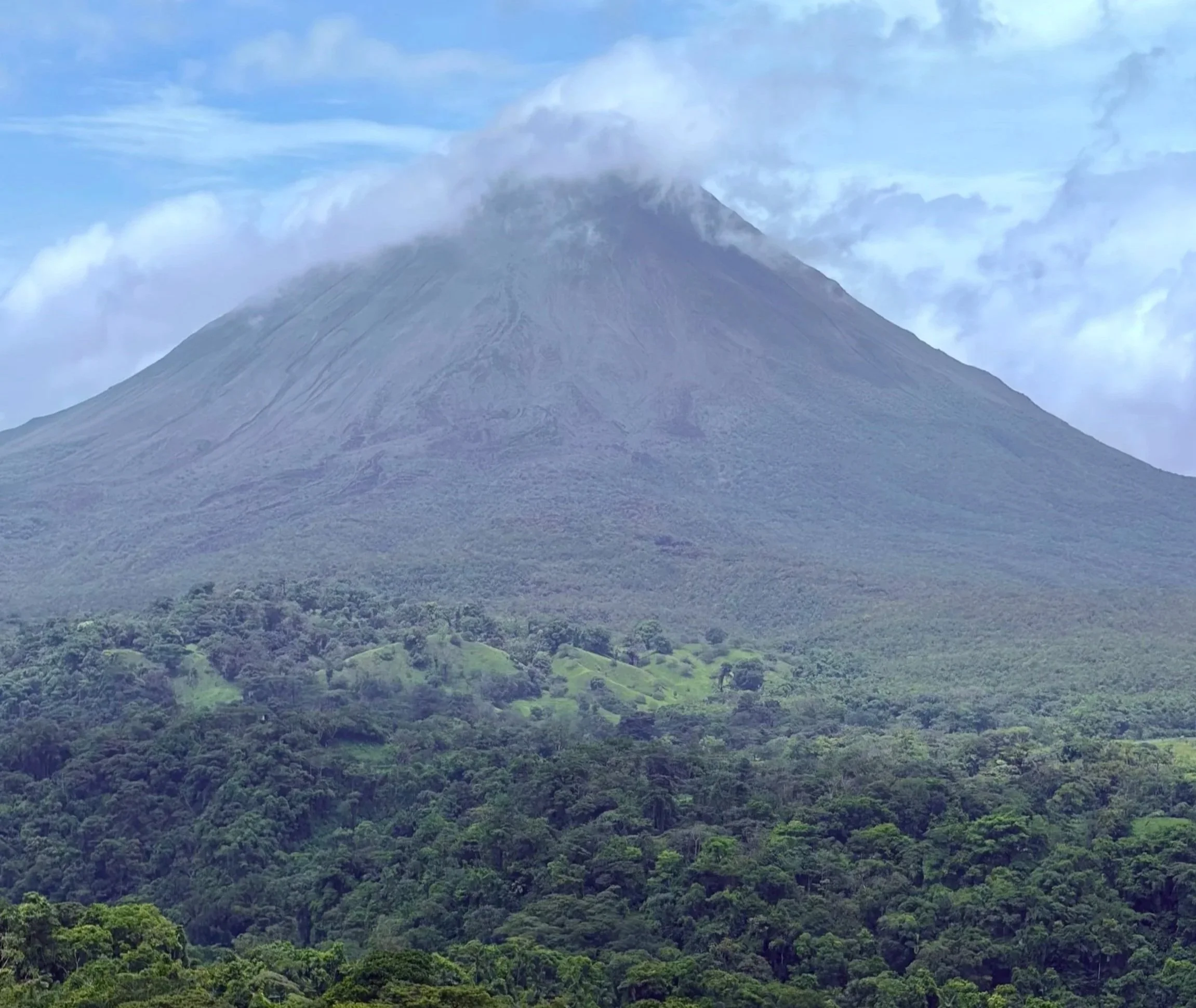
Arenal, Costa Rica

There is a volcano. And where there is a volcano, there are hot springs. Finally, an activity I felt naturally suited to. Tabacón's thermal springs tumble through tropical gardens and, after the previous few days of being strapped into various pieces of safety equipment, sitting in naturally hot water felt like an excellent use of my time. Did I also mention that there was a bar and that the bar served Margaritas? I might have found my happy place.

We also visited the Mistico Hanging Bridges, walking high above the rainforest floor and spotting spider monkeys, hummingbirds, spiders and snakes. Some sightings were obviously more welcome than others.
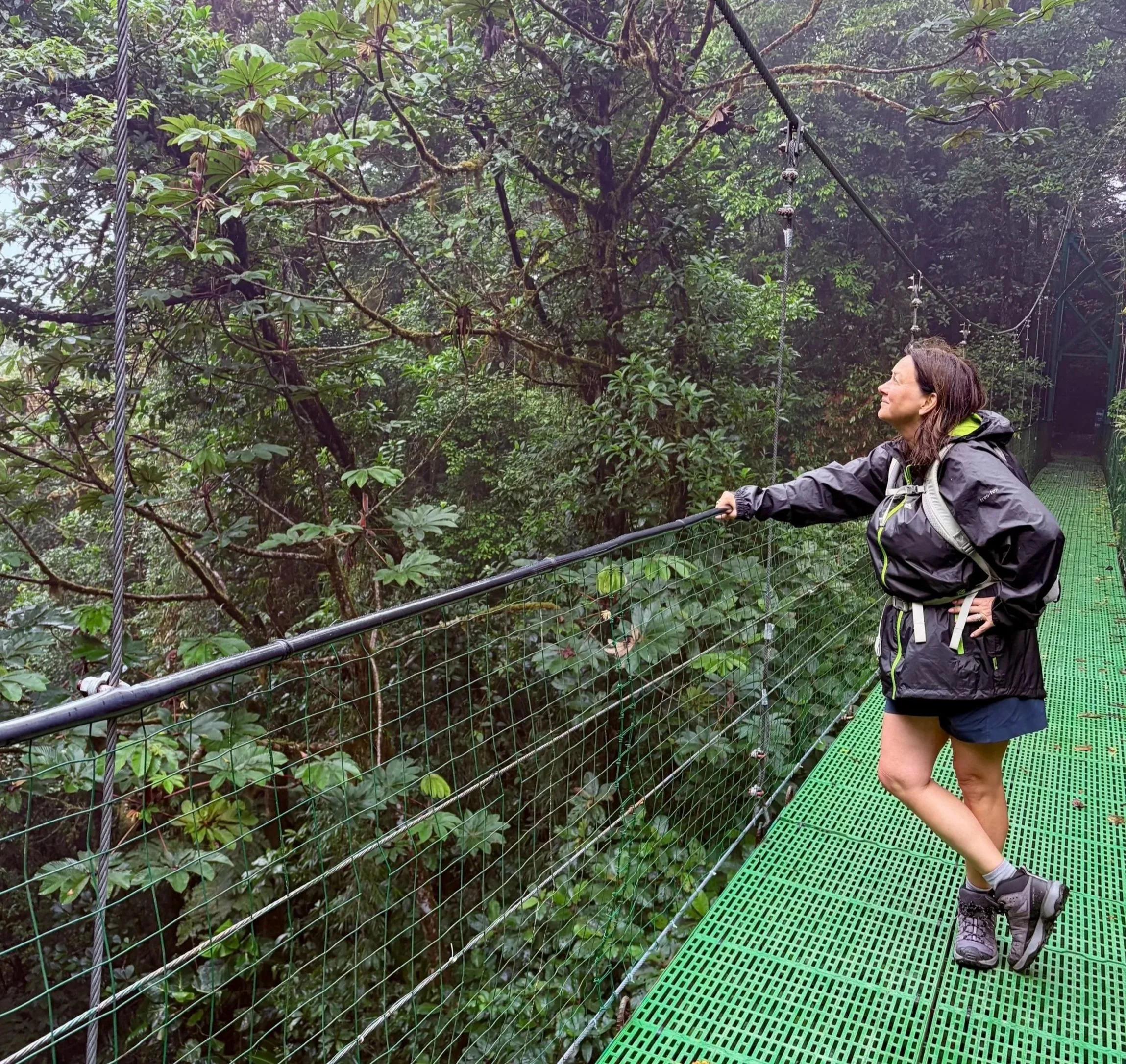
Jacky on the bridge

That evening we visited an organic farm for another night walk followed by dinner. One unexpected discovery: remarkably few mosquitoes. Apparently the enormous frog population eats them. I immediately developed a much deeper appreciation for all the frogs.

Monteverde – up in the clouds

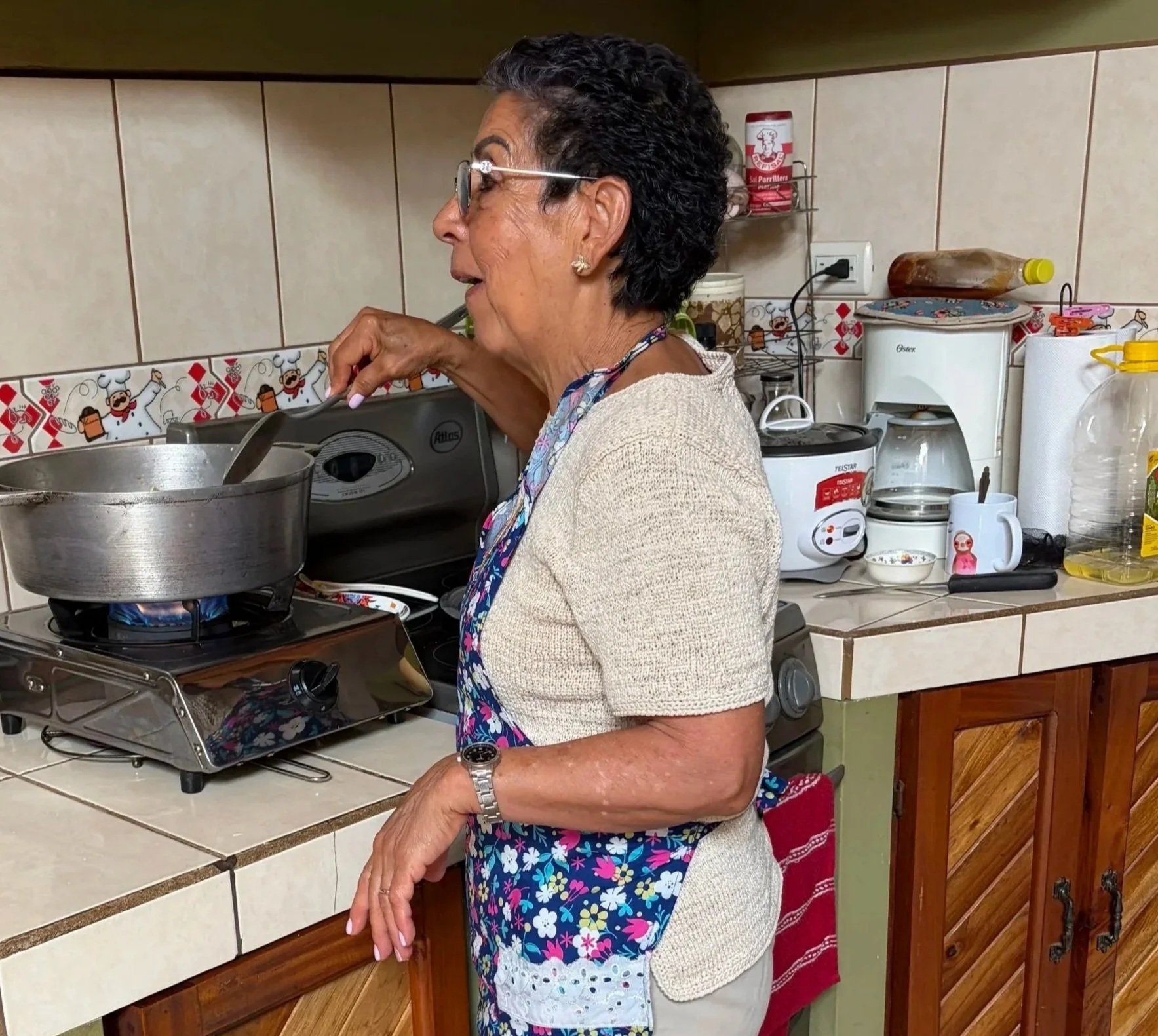
From Arenal we travelled by car and then boat across Lake Arenal towards the Monteverde Cloud Forest. As usual for Costa Rica, the journey becomes part of the experience. We stayed at Monteverde Lodge, where we could spot toucans from  our balcony and the bar produced some extremely good margaritas. This was more like it. One of my favourite experiences here was a cooking class with a local abuela, learning to make tortillas along with a traditional chicken dish, beans and rice. There is something particularly lovely about learning recipes in someone's kitchen rather than simply eating them in a restaurant — although obviously I am very happy to do that too.
Then came the treetop adventure park.

Costa Rica clearly felt I hadn't had enough adrenaline. There were hanging bridges, tree climbing, a sky bike, the Tarzan swing and zip wires — including one very long zip wire through the clouds.

It was spectacular. I never need to do it again. Ever. I feel I have now had my lifetime allocation of adrenaline and would be quite happy for all future holidays to involve nothing more dangerous than deciding between the ceviche and the tacos.

Santa Teresa – tacos, beach, repeat

Which brings me neatly to our final stop: Santa Teresa, on Costa Rica's Pacific coast.

After rivers, rainforests, volcanoes, harnesses, helmets, kayaks, rafts, hanging bridges and being transported across a river in a basket, Santa Teresa was exactly what was required.

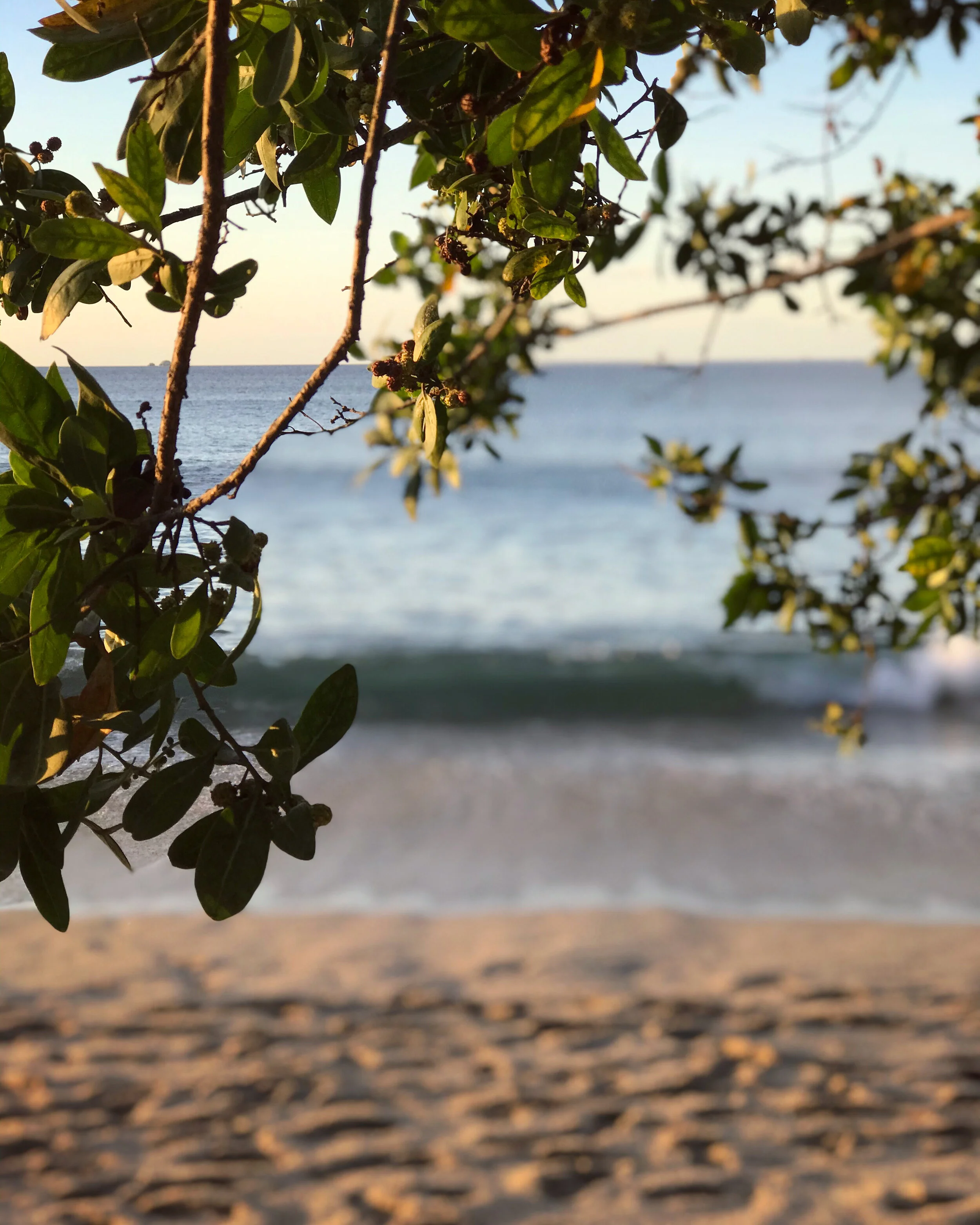
We stayed at the beautiful Nantipa, where the agenda became considerably simpler. Beach. Tacos. Relax. Repeat. And what a perfect way to finish.
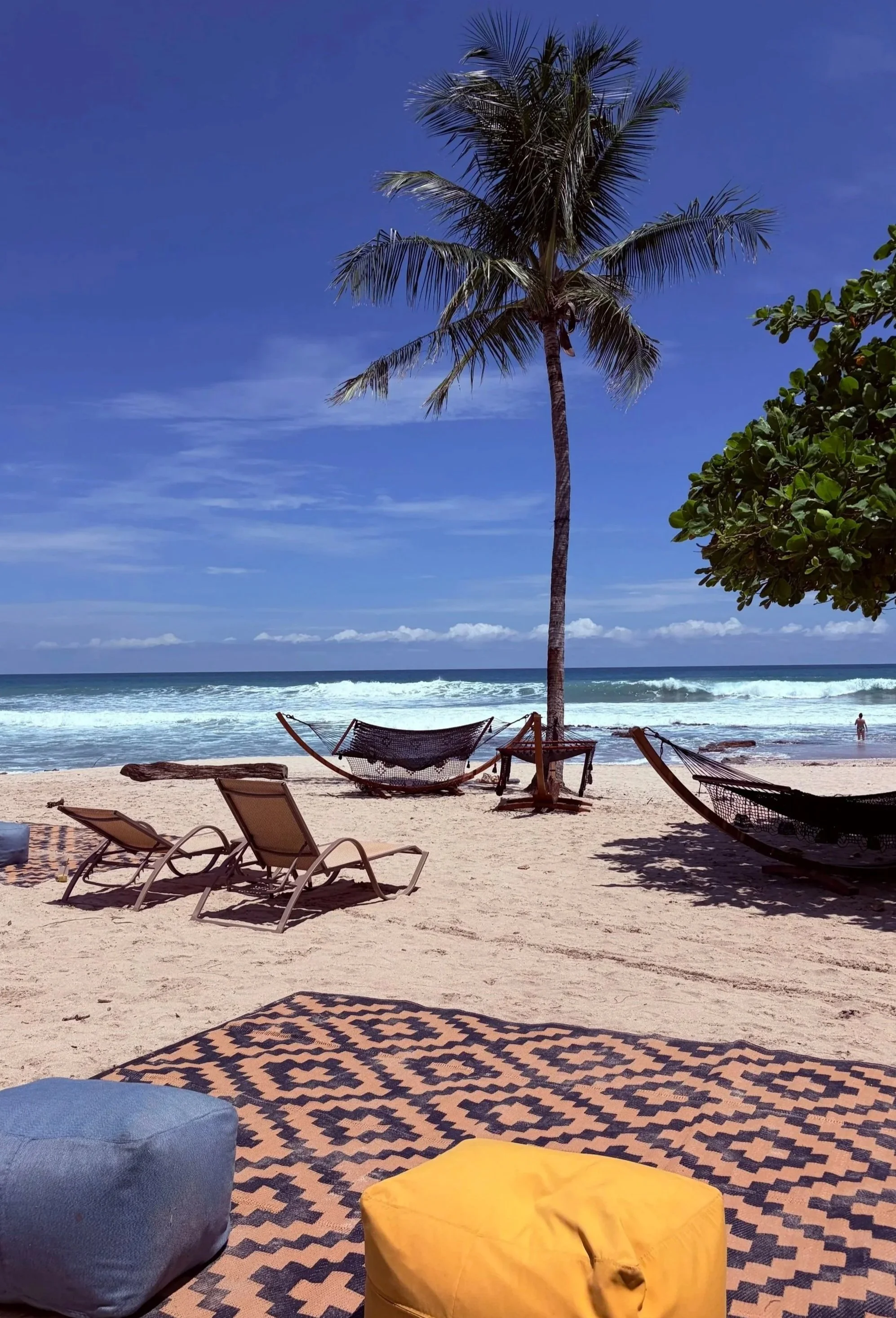
Beach time in Costa Rica

Travelling a little greener

One thing that really stood out throughout the trip was Costa Rica's commitment to eco-tourism and sustainability. At almost every hotel, recycling and reducing waste were simply part of everyday life rather than something they made a great fuss about.

And the tap water is drinkable in much of the country, so we could refill our bottles rather than constantly buying plastic ones. Add in hotels working hard to protect their natural surroundings and support local communities, and it felt like a country that genuinely understands that its extraordinary environment is also its greatest asset. 

So, would I go back?

Absolutely. Costa Rica manages to pack an extraordinary amount into one relatively small country. One day you're drifting down a jungle river watching monkeys in the trees, the next you're soaking in volcanic hot springs, flying through clouds on a zip wire or eating tacos beside the Pacific. The wildlife is extraordinary, the landscapes are spectacular and the hotels can be seriously special. It's also a destination that works brilliantly if you like a bit of adventure with your luxury. You can spend the morning kayaking through rainforest and the afternoon in your private plunge pool. You can raft Class 4 rapids and still have an excellent ceviche for dinner.

Which is very much my sort of adventure. Although next time, I might leave the sexy helmet at home.

Jacky Bowman travelled to Costa Rica in May 2026
Eco-conscious visit to Costa Rica
Sunset at Playa Conchal in Costa Rica | make travel matter |  Responsible tourism | travel agent in London | bespoke holidays | sustainable travel |  holiday ideas | family holidays | romantic breaks

The travel industry has never been more scrutinised for its contribution to global warming. From Greta Thunberg sailing across the Atlantic to #flightshaming going viral on social media, we are increasingly aware of the impact of our carbon footprint on the planet. Transforming from eco-warrior to eco-tourist can allow you to explore the wonders of the world in a way that limits your damage to the environment – you just have to travel to the right places. 

Costa Rica is one of the world’s prime eco-tourism destinations. But what exactly do we mean by eco-tourism? The objective is to immerse travellers in nature, with the goal of educating and imparting environmental awareness. Eco-tourism unites conservation with local communities and wildlife, aiming to minimise a tourist’s impact. 

Costa Rica has the highest density of plant and animal species on Earth.  Though occupying just 0.3% of the planet’s landmass, it’s home to an astonishing 5% of the entire world’s biodiversity. Its tropical climate extends across extreme variations in altitude and covers countless ecosystems: the country has 20 life zones, 850 bird species, 237 mammal species, 1,260 tree species, 1,200 orchid species, and 361 reptile and amphibian species. Protecting these natural wonders remains high on the country’s agenda, and thankfully tourism hasn’t wavered in its commitment to conservation. 

Costa Rica’s push towards eco-tourism began with the establishment of the Cabo Blanco National Reserve in 1963, followed by the creation of its first official national parks in 1971. Today the Costa Rican park system includes 70 entities and protects over 3,221,000 acres. Coupled with numerous private reserves operated by non-profits and environmental groups, this means that 30% of national territory is allocated for conservation - one of the highest ratios in the world. 

Costa Rica wildlife.jpg

And one of the best ways to practise eco-tourism is by staying in an eco-lodge. These abodes are intentionally isolated to allow travellers direct, uninterrupted access to nature. Many of Costa Rica’s first eco-lodges were sustainable long before sustainability became a buzzword. These eco-lodges operated in remote, off-the-grid locations that required them to optimise their efficiency and minimise their impact. They used solar and wind power because the area lacked electrical lines and grew their own food because there were no accessible supermarkets. They hired locals, the only workforce available, and became educators within the community, often training guides, receptionists and chefs. Costa Rica’s original eco-lodges paved the way for the eco-lodges of today. 

Last month I explored the incredibly rich and diverse region of Guanacaste. I flew into Liberia (direct flights from London Gatwick with TUI airlines) which is perfectly positioned for easy access to the beaches, volcanos and the cloud forest. Guanacaste also has 70% of the country’s biodiversity – so this is where you want to be. 

Having read stellar reviews, I booked my first few nights at Finca Luna Nueva eco-lodge. I was particularly drawn to the firm emphasis placed on farm-to-table cuisine and its claim to be a ‘living classroom’ concept – set on an organic herbal farm at the edge of a 200-square-kilometre conservation area of primary rainforest, only 16km from the iconic Arenal volcano. You do genuinely feel like you’re living a David Attenborough documentary, breakfasting on the freshest fruits, listening to the sound of howler monkeys, watching exotic hummingbirds and butterflies land on the most exquisite flowers, surrounded by birds of paradise, all types of iguanas – it was a true feast for the eyes and the senses. I went on the most sensational horse-riding tour around the volcano, followed by a dip in the solar-heated jacuzzi and natural spring-fed pool. 

Costa Rica Holiday.jpg

After indulging in jungle paradise, I decided to move on to soak up some sun on the beach. Costa Rica’s beaches are some of the cleanest in the world, thanks to The Blue Flag Environmental Program. This is one of many initiatives that promote the pursuit of conservation and development consistent with the protection of natural resources, the implementation of actions to address climate change as well as those to improve the public health of the people of Costa Rica, or ‘Ticos’ as they’re locally known. The Blue Flag Environmental Program also has an annual awards ceremony – the winners’ list is a great resource when looking for the country’s top-rated eco-conscious accommodation. 

Playa Flamingo and Playa Conchal became firm favourites of mine with their wonderful beachside ‘sodas’ (local restaurants serving the freshest food) and pristine water. 

The hotel and estate Reserva Conchal really stood out for their commitment to sustainability. From meeting much of their energy needs through solar power to produce 45 tons of organic fertiliser monthly, they also run local initiatives such as Hortalizas Najui which seeks to empower local women through organic farming (“Hortalizas” are vegetables, and “Najui” is a Chorotega – tribal word - for women). These organic vegetables are sold to restaurants in their hotels, as well as to homeowners and visitors, and the remains are sold at the local farmer’s market.

On to Playa Flamingo, where I was lucky enough to stay at the dazzling 360 Flamingo. These luxury condos are set on the top of a cliff, with a saltwater infinity pool looking out onto the breath-taking panoramic views of the Pacific Ocean and Playa Flamingo. Although 360 Flamingo caters to the luxury eco-traveller, it creates the perfect balance of exclusivity without pretentiousness.  Their incredible Concierge service will help you find any eco-focused excursion you need - e.g. snorkelling on a sailboat powered by solar energy or a bespoke national parks tour. Always wanted to watch turtles hatching or take a photo of a humpback whale? If it’s the right season, they’ll make it happen. If you’re hungry just dial 0 to order from any nearby restaurant, and the Concierge will deliver it directly to your door. I was particularly impressed by the widespread use of compostable packaging and the lack of plastic in every restaurant – as I was with the emphasis placed on recycling, with rubbish bins on every corner, not just of the hotel, but of the town itself. 

Playa Flamingo is also famed for being electric transport-friendly. For only USD 50 for 24 hours, I was able to rent a cute little 4-seater buggy and charge up at many restaurants in Playa Flamingo and nearby Potrero.  Carry on 8km up the coast and you’ll find a solar and electric powered haven, Las Catalinas, completely pedestrianised and built in the style of an Amalfi coastal town. It is the epitome of an eco-conscious community: on Thursdays they hold local farmers’ markets and run a weekly litter-picking and recycling volunteer activity through community centre.  

Sunset at Playa Conchal in Costa Rica | make travel matter |  Responsible tourism | travel agent in London | bespoke holidays | sustainable travel |  holiday ideas | family holidays | romantic breaks

The love the Ticos have for their country and its unique and exquisite natural beauty is completely infectious, and you feel inspired to help preserve it as they do.  It’s in everything they say and do. Say hello to a Tico in the street and you’ll be greeted in response, “Pura Vida”  - literally translated as ‘pure life’. And in Costa Rica, you really feel it is. 

Our lovely contributor, Amelia Stewart, visited Costa Rica at the beginning of January.

Check out what she’s been up to on her website.

If you’d like more tips on how to have a seamless, successful trip to Costa Rica, don’t hesitate to get in touch.