
The Botswana Safari Nobody's Posting About (And Why That's the Point)
Growing up, my social media was full of safari images — lions, elephants, giraffes against golden sunsets. It looked magical. But as I got older, I started noticing something else in those same photos: the cars. Dozens of jeeps crowded around a single lion, engines running, cameras clicking. And with new studies showing that too many cars disrupt the lion's behavior causing behavioral patterns to change, which feels off even to someone with limited animal knowledge at the time. You were meant to be in their world — and yet it felt more like a zoo with better lighting.
That feeling stuck with me. So, when the chance came to finally go on safari, with my mother we had one question: where could you experience the wild properly — without the crowds, without the circus?
The answer, it turns out, is Botswana.
Why Botswana Is Different
Botswana isn't the cheapest safari destination; it's more expensive than the alternatives Kenya or Tanzania but there's a clear reason for that. The country operates on a strict "high-value, low-volume" tourism model. Visitor numbers are deliberately capped, wildlife concessions are privately managed, and the result is something that feels genuinely rare: an intimate, uncrowded encounter with Africa's wildlife.
A few things that set it apart:
Strict vehicle limits. Only a handful of vehicles from the concession's lodges are permitted at any sighting. You will never sit in a traffic jam around a leopard.
Off-road driving. Guides are legally allowed to leave the main tracks and follow animals deep into the bush. In most public parks, you're not allowed off-road at all.
Night game drives. After dark, guides use specialist spotlights to track nocturnal predators. Public parks close their gates at sunset.
Walking safaris. Guided bush walks let you track animals on foot — something that's banned or heavily restricted in most national parks.
Direct community investment. Concession lease fees go straight back to local communities, giving them a real incentive to protect land and wildlife from poaching.
Getting There: The Bush Planes
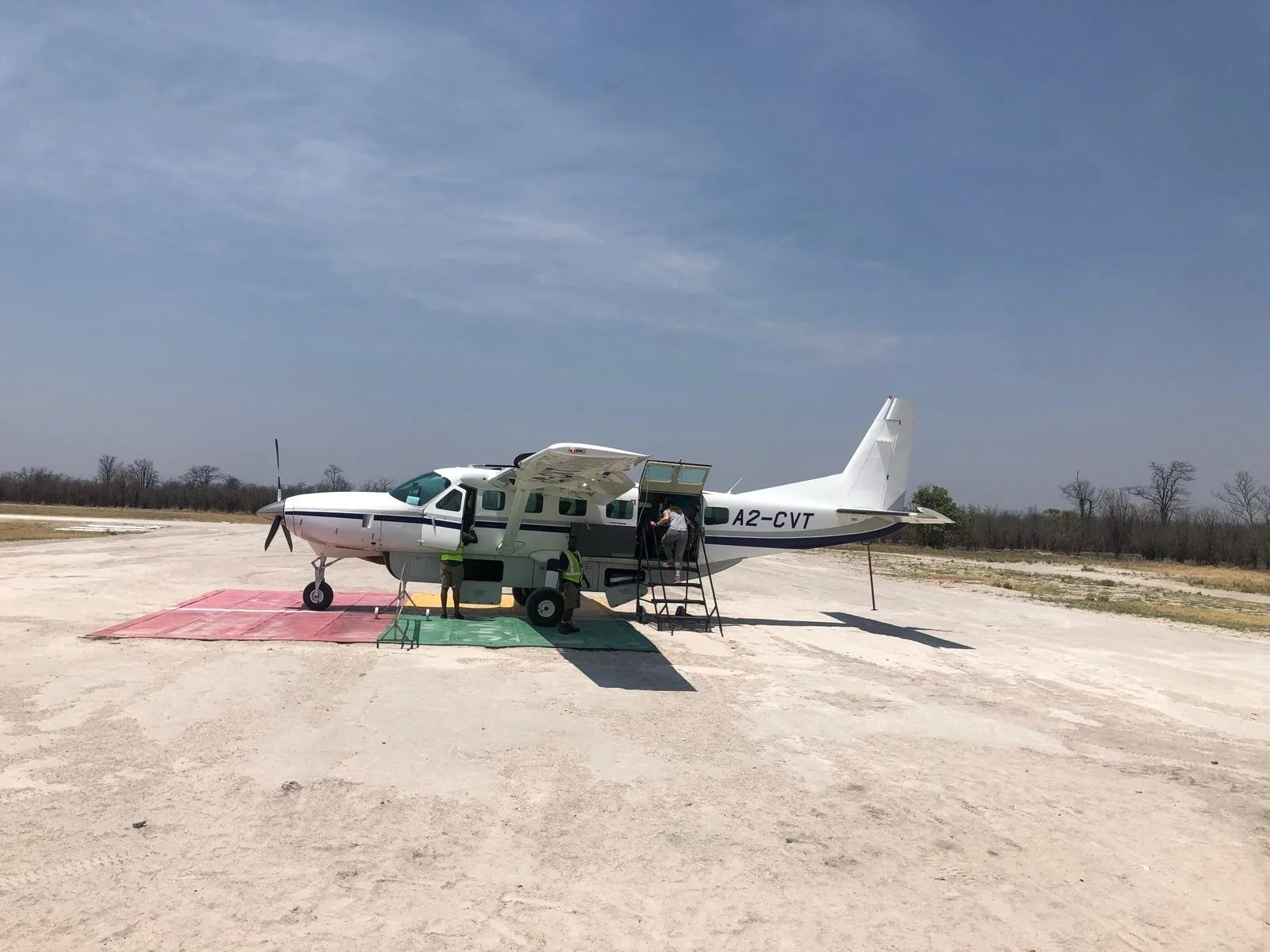
As a teenager who had never been on a small plane, the internal flights between camps were genuinely one of the highlights of the trip. You travel in tiny propeller aircraft, up to eight passengers — which gives it an almost private-jet feel. Bags have to be soft-sided and under 15kg to keep weight distribution balanced. You're collected from camp by jeep, driven to a bush airstrip, and picked up at the other end the same way. Flights last between 20 minutes and about an hour. Looking down at the Okavango Delta from the air the channels, islands, and floodplains spread out below is something I won't forget.
DumaTau Camp
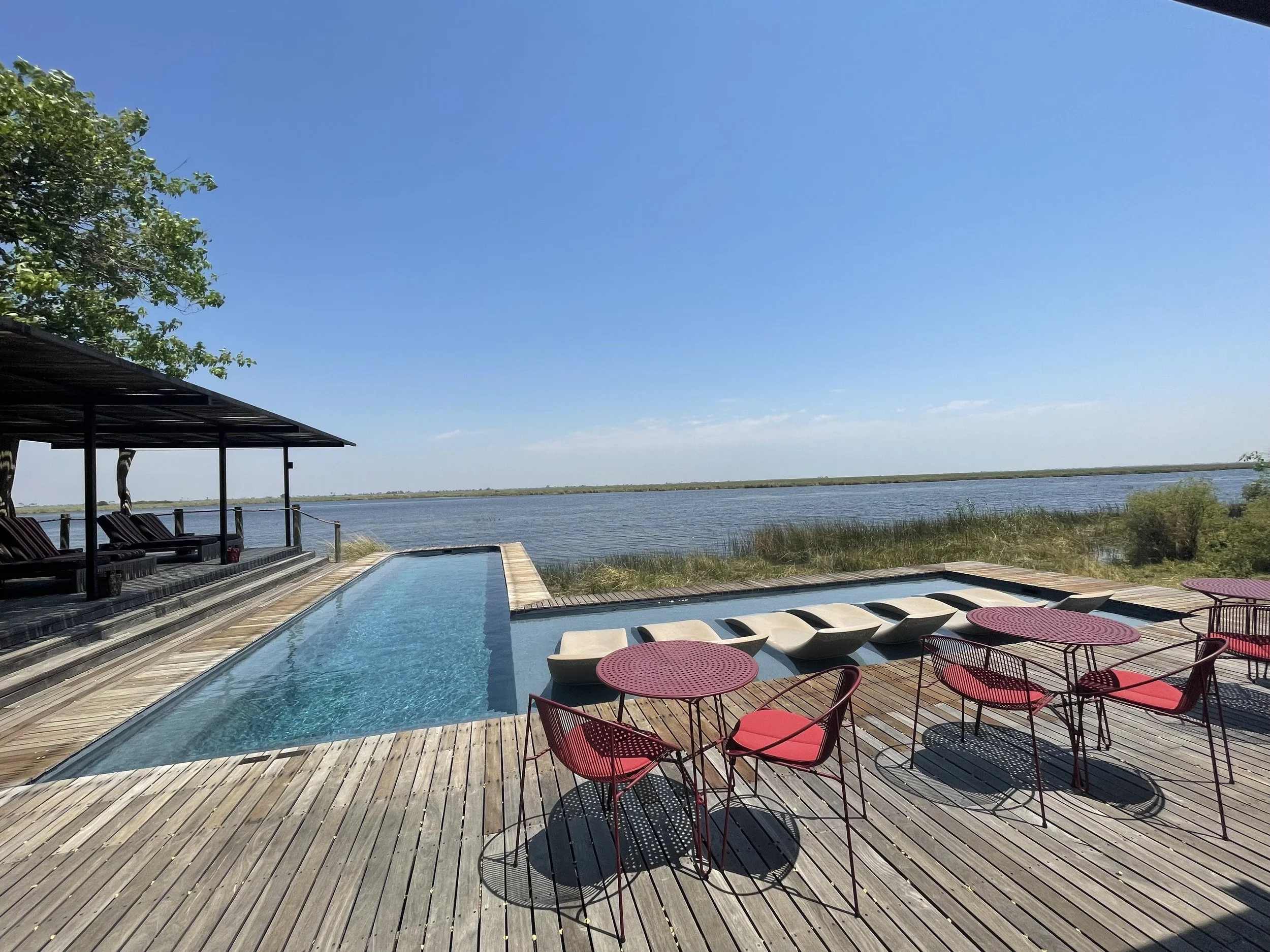
A special mention must go to DumaTau, which sits in the Linyanti Wildlife Reserve in northern Botswana, with access to both the Linyanti River floodplain and the Savuti Channel.
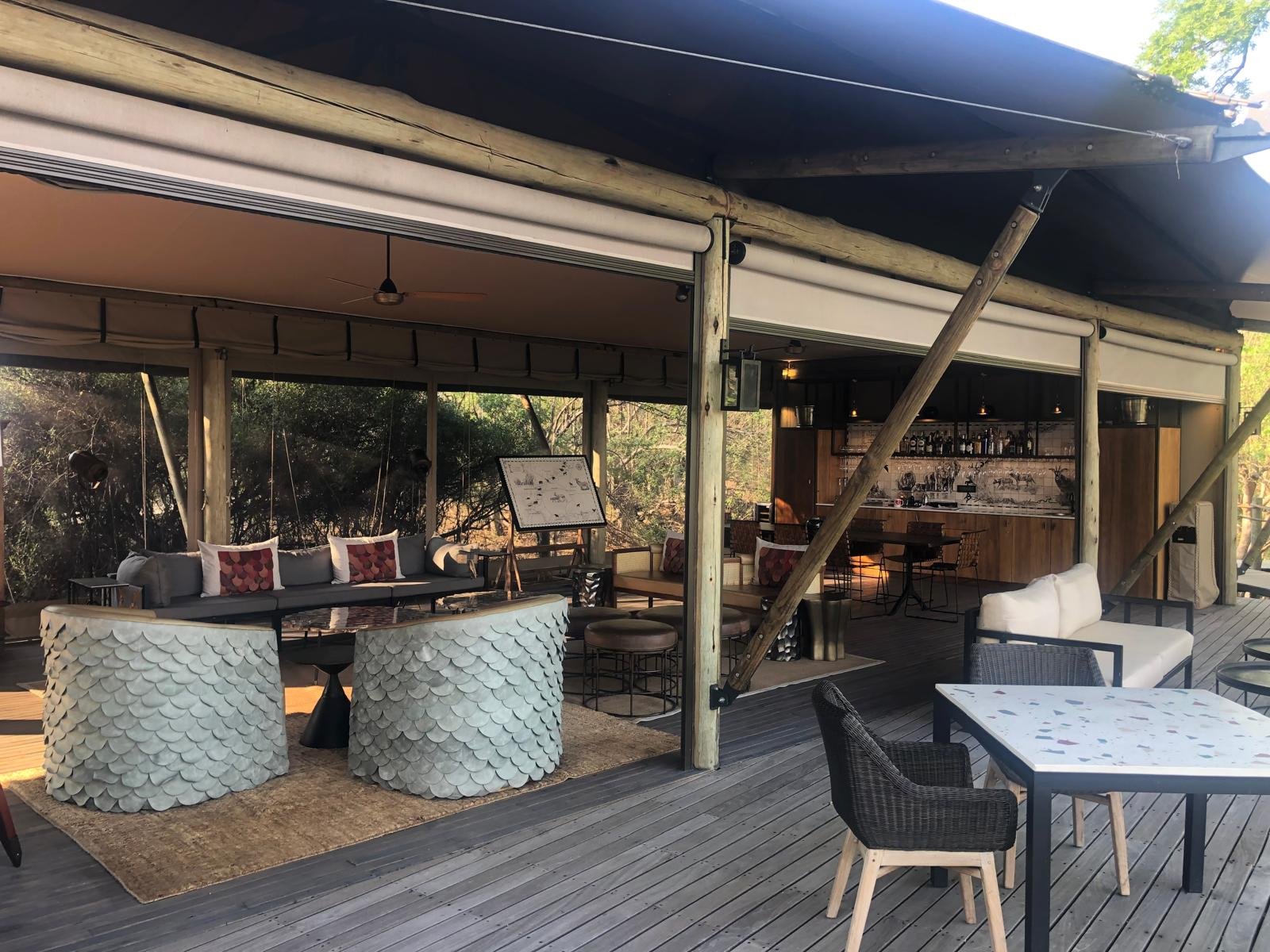
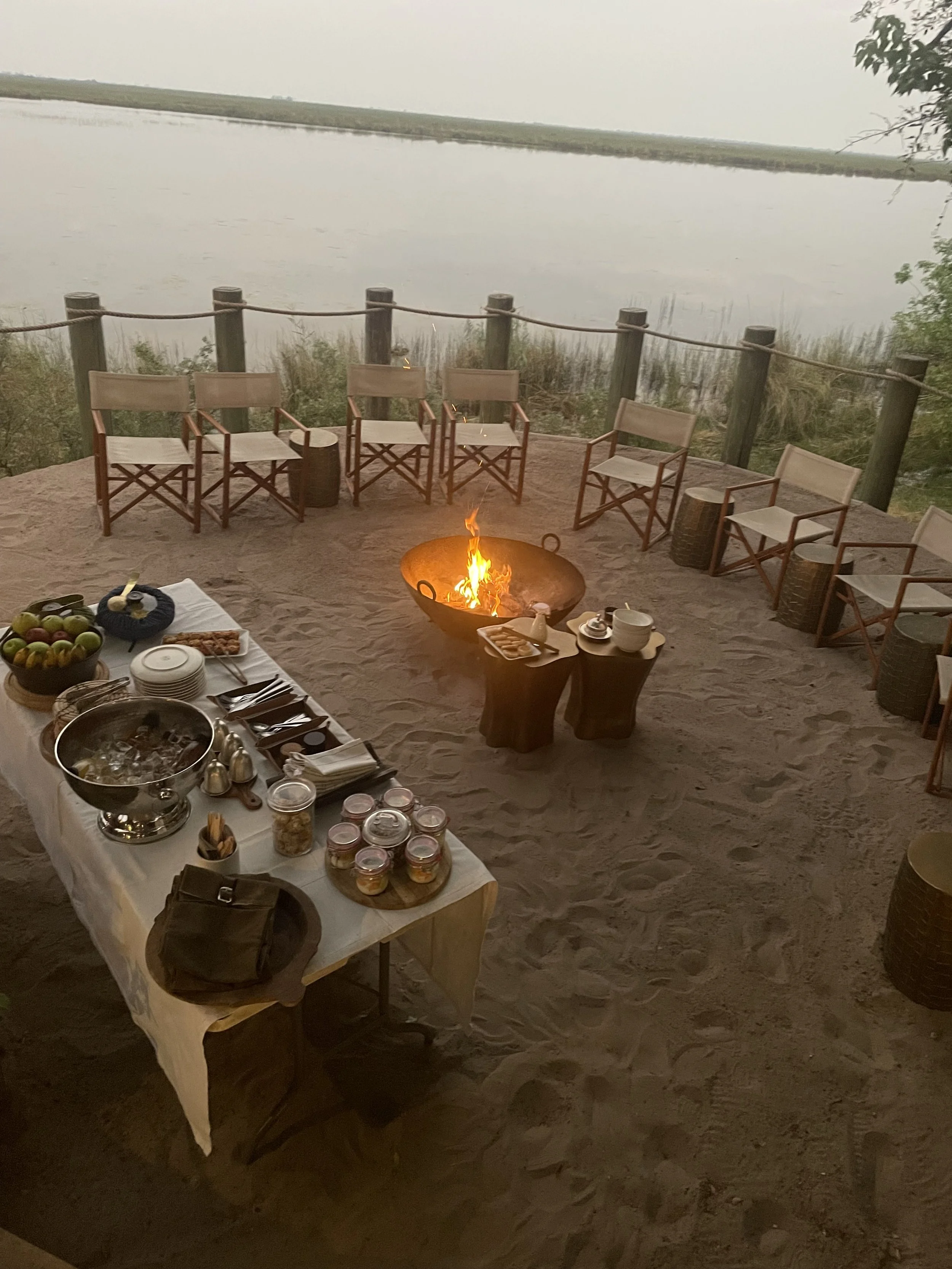
Arrival sets the tone immediately. You're welcomed with drinks, a cold towel, and an offer of food a small but thoughtful touch after an early morning flight. Step outside and you're looking straight out over the river, with hippos visible if you know where to look.
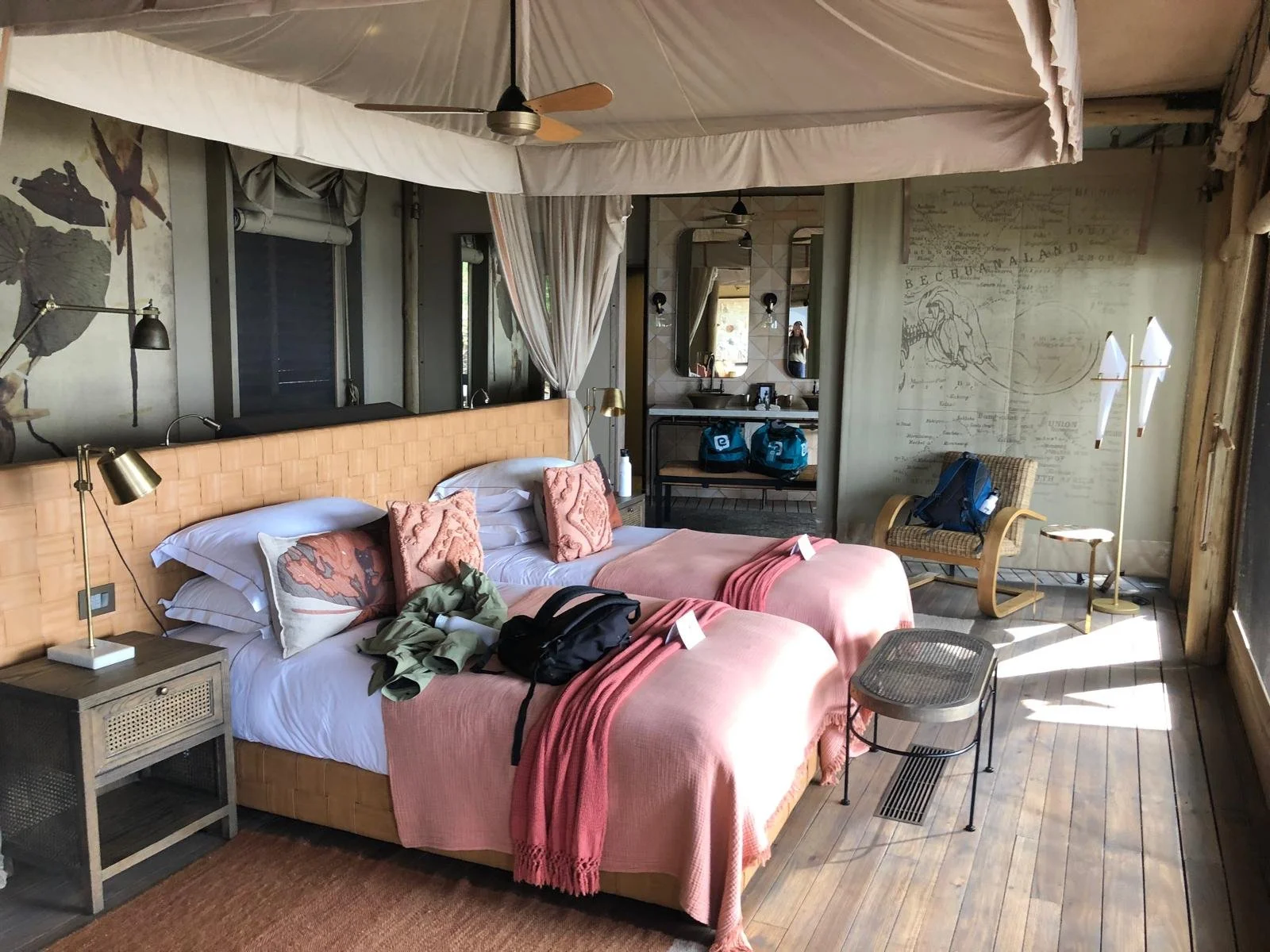
The camp has only eight rooms. Each comes with its own private plunge pool, and the wider property includes a spa, family rooms, WIFI (especially good for a teenager on her birthday) and a gym. With so few guests, it genuinely feels as though you have the place to yourselves. The staff remember your name from the first hour and keep remembering it — another small detail that makes a real difference.
Activities
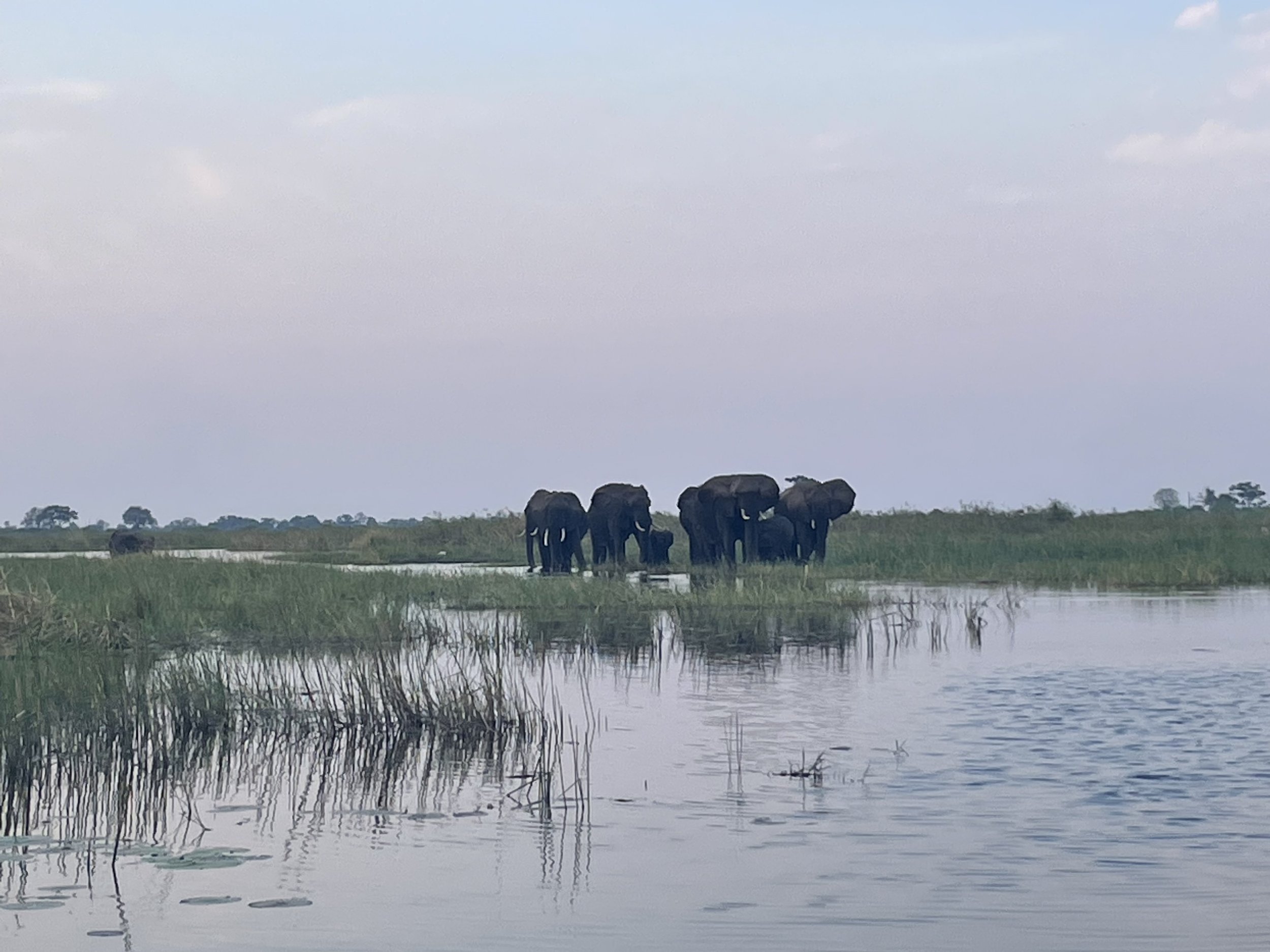
DumaTau sits between two elephant migration corridors, which means elephant sightings aren't rare — they're constant. You'll see herds crossing the river, splashing through the shallows, or simply lounging in the shade nearby.
Beyond the standard morning and evening game drives, the camp offers:
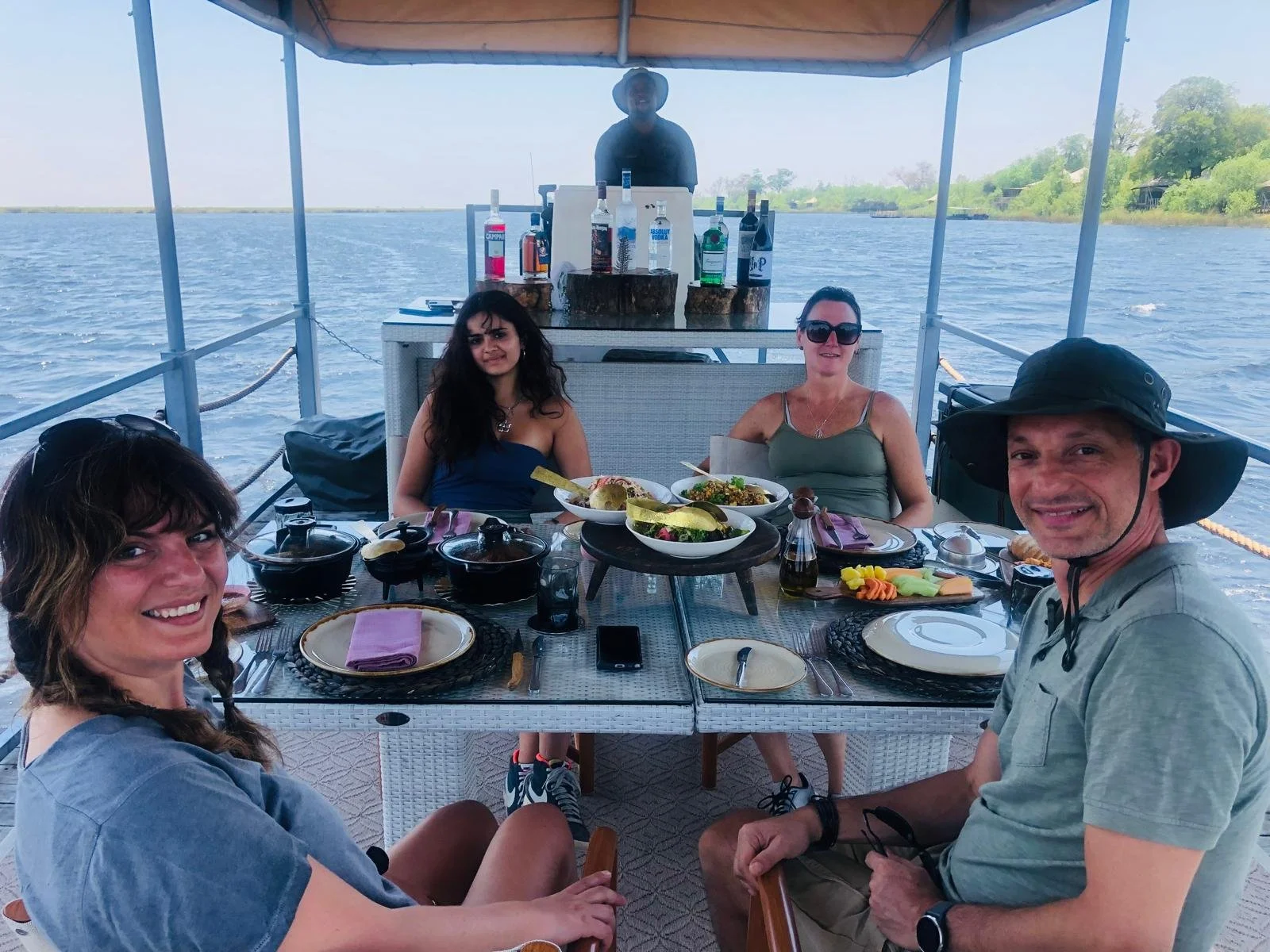
Barge dinners — you eat on a boat moving slowly through the river, surrounded by birdsong and the sounds of the bush at dusk. The food is excellent.
Small boat tours — we came very close to hippos (closer than felt entirely comfortable), watched an elephant crossing, and spotted wild dogs. The guide kept us calm due to his plethora of knowledge and his natural insticts.
And many more experiences.
The Staff
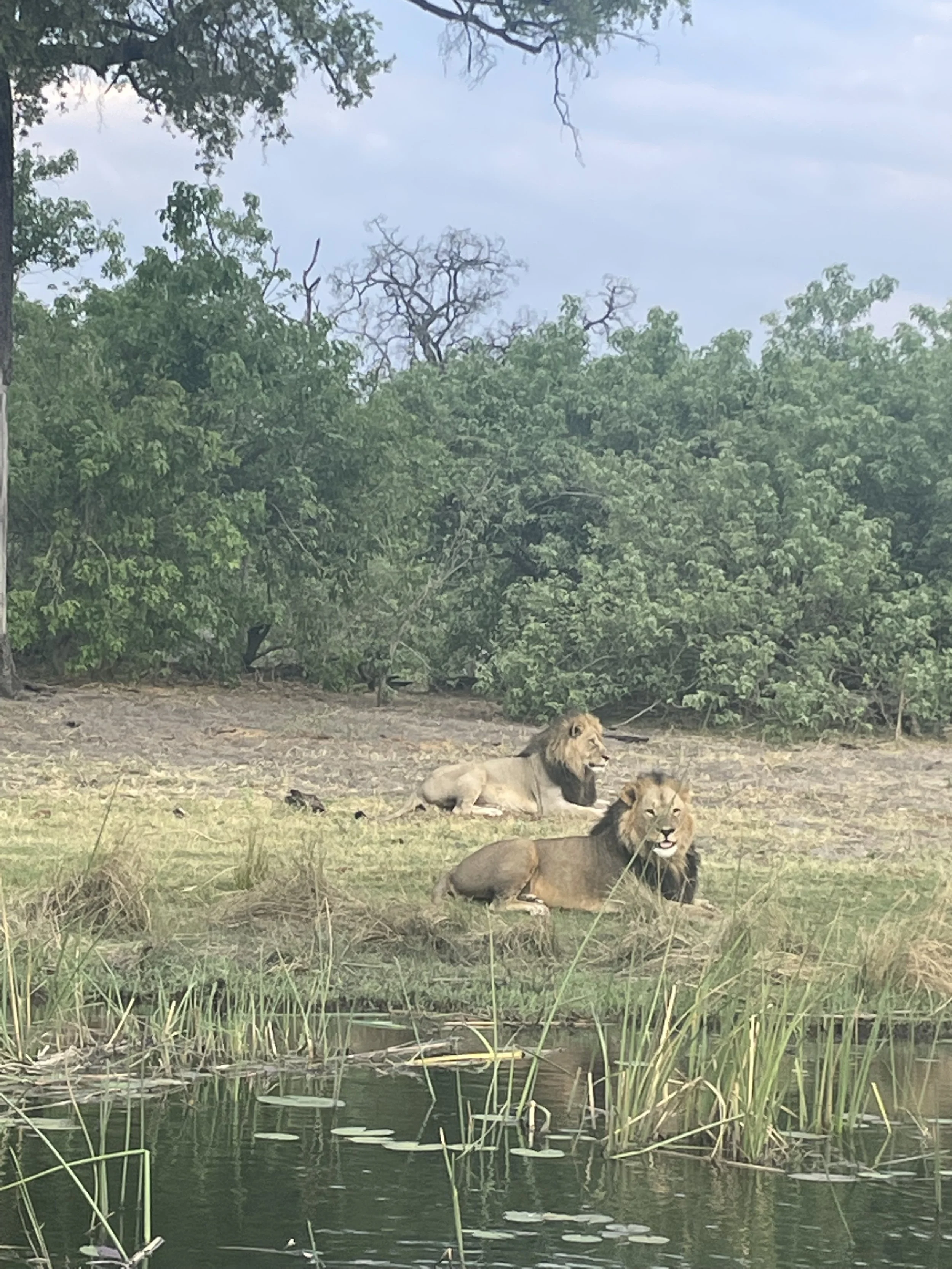
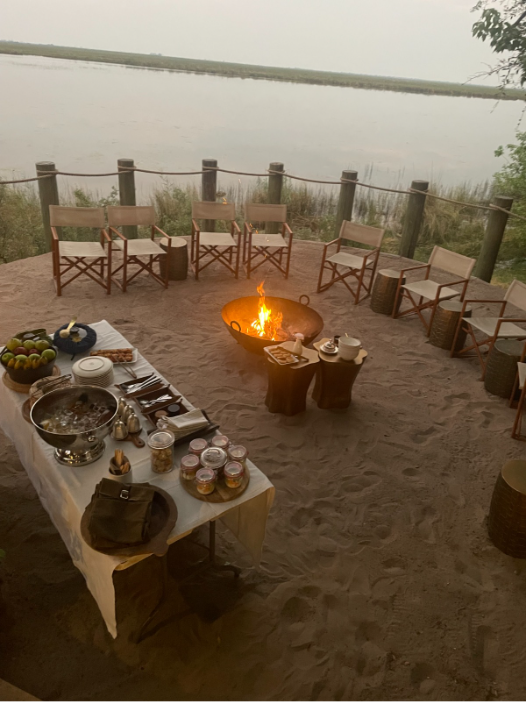
The staff deserve a shoutout of their own. Wilderness Safaris invests heavily in the people who work at their camps, and it shows. The food is made from fresh ingredients prepared daily — breakfast is a proper buffet spread, not an afterthought. Guides don't just know the bush; they seem to anticipate it, knowing where animals are likely to be before you've even set off. Every game drive delivered something genuinely memorable like seeing the endangered wild dogs on a hunt.
But the thing that stood out most wasn't the food or the game drives. It was the feeling of watching these animals in their natural habitat, completely undisturbed, with no other vehicles in sight. That, more than anything else, is what makes Botswana different.
Ami Goswami and her mother travelled in October, the trip was organised by Yellow Zebra Safaris. DumaTau Camp is operated and owned by Wilderness Safaris. The camp is located in the Linyanti Wildlife Reserve, northern Botswana.