
Albania with a Toddler: Discovering Berat and Gjirokastër before everyone else does
We have been visiting Albania for years, and the difference between our earlier trips and our more recent visits has been noticeable. The country we once visited with relatively few international tourists is becoming one of Europe's most talked-about destinations. And having watched this transformation over several trips, we have a feeling Albania's days as Europe's affordable, relatively undiscovered gem are numbered.
There was a time when the aircraft arriving in Tirana seemed to carry more Albanians returning home than international visitors arriving for a holiday. Lately, we have found ourselves looking around the cabin and wondering whether the balance has shifted. Albania has attracted growing international attention thanks to its beautiful Riviera, dramatic landscapes, historic towns and comparatively affordable holidays. It has frequently featured in travel reports as one of Europe's fastest-growing destinations, and the interest shows little sign of slowing.
Large international hotel groups and resort developments are also looking towards Albania, with more projects expected in the coming years. One of the most controversial proposals involves Sazan Island, where a luxury resort development associated with Jared Kushner's investment plans has generated considerable debate over environmental protection, tourism and the future of this historically significant island. Change is already visible. At times, arriving at Tirana International Airport feels like an experience the existing infrastructure is struggling to accommodate, particularly when several flights land around the same time. Airport expansion plans reflect the country's ambitions to handle growing passenger numbers.
Getting to Albania from the UK has also become easier. Tirana is served by flights from several major UK airports, and the addition of a Gatwick service has made the journey even more convenient for families in London and the surrounding areas. With a flight time of under three hours, Albania is an excellent option for a relatively short family getaway.
Our advice? If Albania is somewhere you have been thinking about visiting, now is a good time to start planning. One thing we have consistently appreciated about Albania is how welcoming it feels for families travelling with young children. Something else we particularly appreciate is how many restaurants have dedicated play areas or playgrounds nearby. For parents, this makes a real difference. You get to sit down, enjoy a proper meal and try some delicious local dishes while your little one has somewhere to play within sight. Albanian hospitality also adds to the experience. Children are often welcomed warmly, and travelling with our son has given us plenty of opportunities to experience the friendly, family-oriented side of everyday Albanian life.
Of course, not every historic street is toddler-friendly. Many of Albania's older towns have cobbled lanes, steep hills and uneven paving, so a lightweight, sturdy pushchair or a toddler carrier is worth considering. Comfortable shoes are essential, especially when exploring the historic quarters. But if you enjoy destinations where children are part of everyday life rather than an afterthought, Albania deserves a place on your list.
In this instalment of our family travel adventures, we are taking you to two of Albania's most beautiful historic towns, Berat and Gjirokastër, where we discovered that travelling with a toddler doesn't have to mean compromising on character, culture or comfort.
Berat: The City of a Thousand Windows
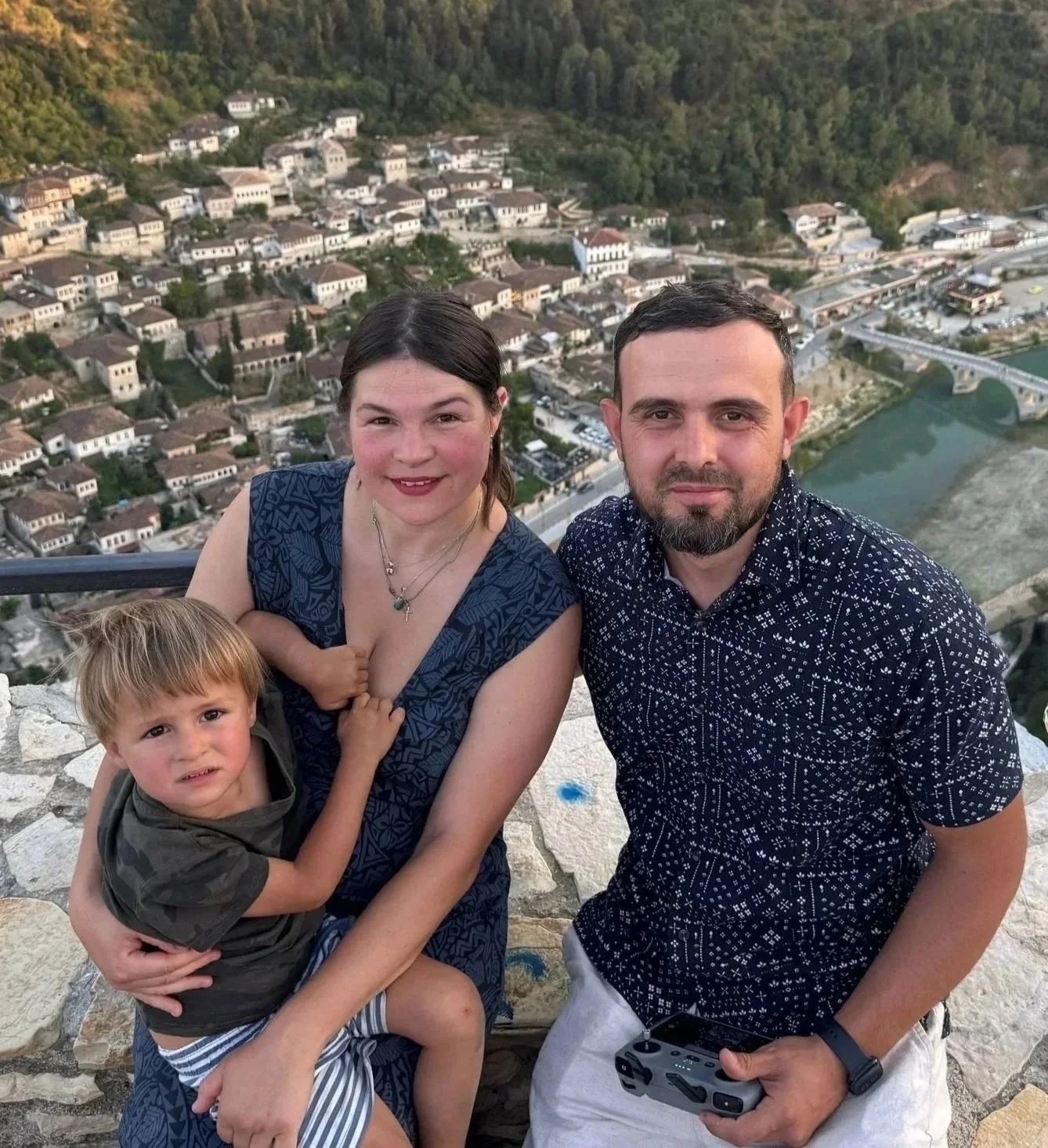
Berat is one of those places that stays with you long after you leave. Known as the City of a Thousand Windows, Berat is famous for its beautiful Ottoman-era houses climbing the hillsides above the Osum River. Their distinctive white facades and rows of windows create one of Albania's most recognisable townscapes. The historic centre is a UNESCO World Heritage Site, recognised for its exceptional Ottoman architecture and the way different communities and architectural traditions have shaped the town over centuries. Walking through Berat feels like stepping into another era. Narrow cobbled streets wind between traditional houses, small local shops and welcoming restaurants. Above the town, Berat Castle offers sweeping views across the rooftops, river and surrounding mountains. Berat is also known for its winemaking traditions, so we took the opportunity to enjoy a little wine tasting at one of the local cafes. It was a lovely way to experience another side of the region's food and drink culture.
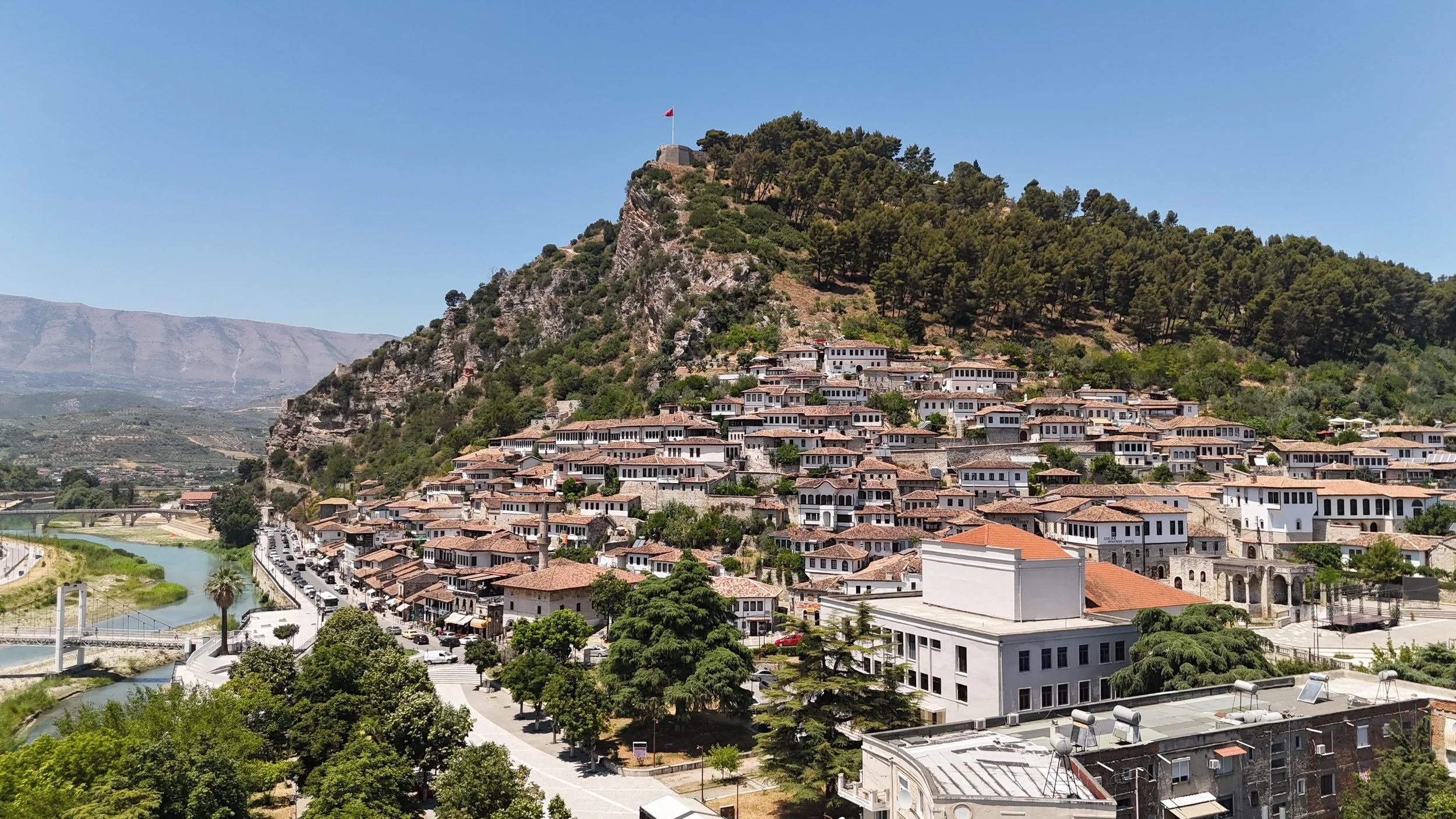
For our stay, we chose accommodation near the Castle on a hillside overlooking the river and the historic part of Berat below. Unlike a large resort, our accommodation had the character of a traditional family-run hotel, with multiple rooms and architecture inspired by the area's historic buildings. It felt connected to the town rather than separate from it. One of our favourite things about travelling around Albania is the opportunity to stay in properties with real character. Instead of standardised hotel rooms, you often find beautifully restored traditional houses, family-run guesthouses and small hotels with their own stories to tell. For us, these places add so much to the experience.
Gjirokastër: A Step Back into Ottoman Albania
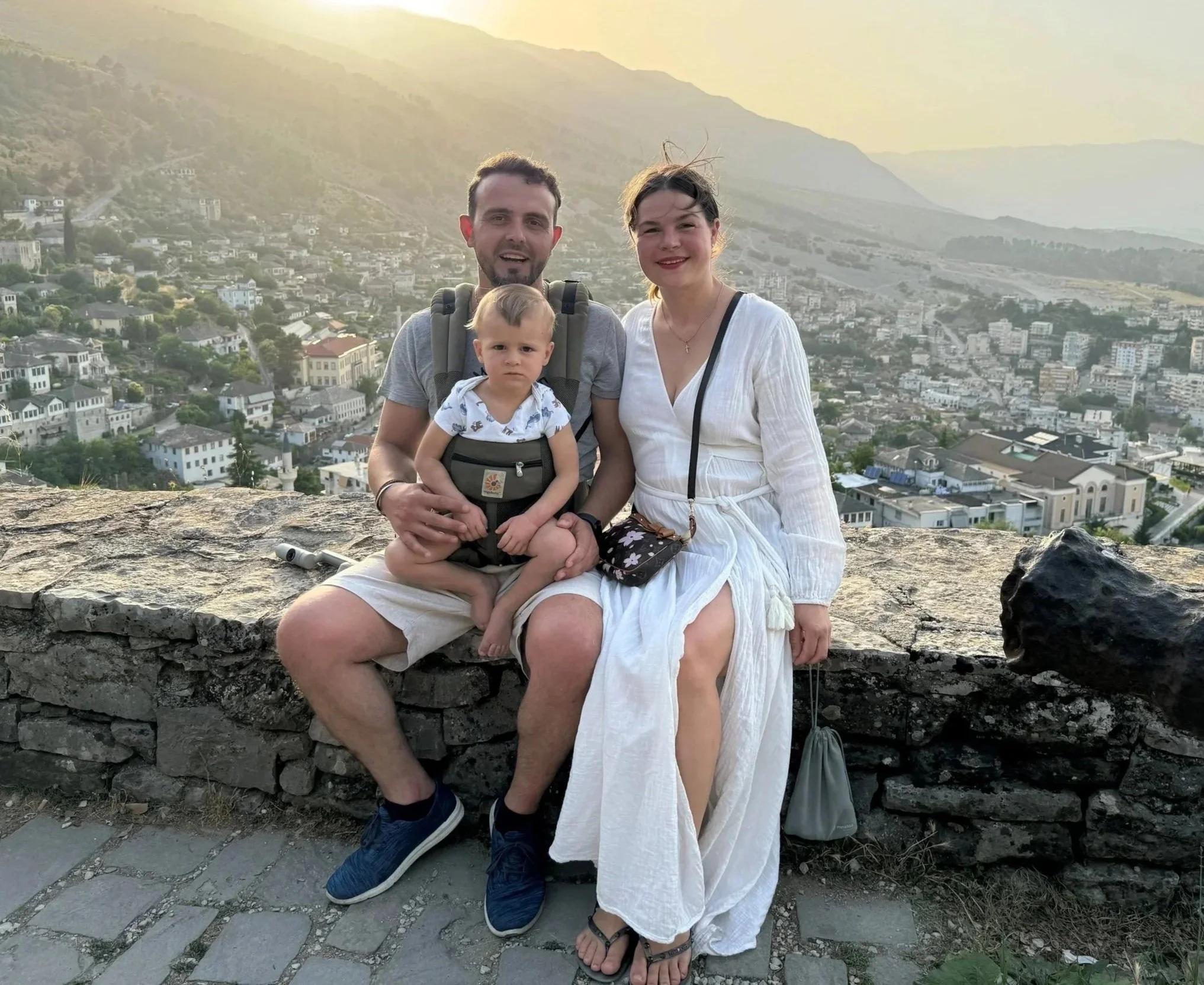
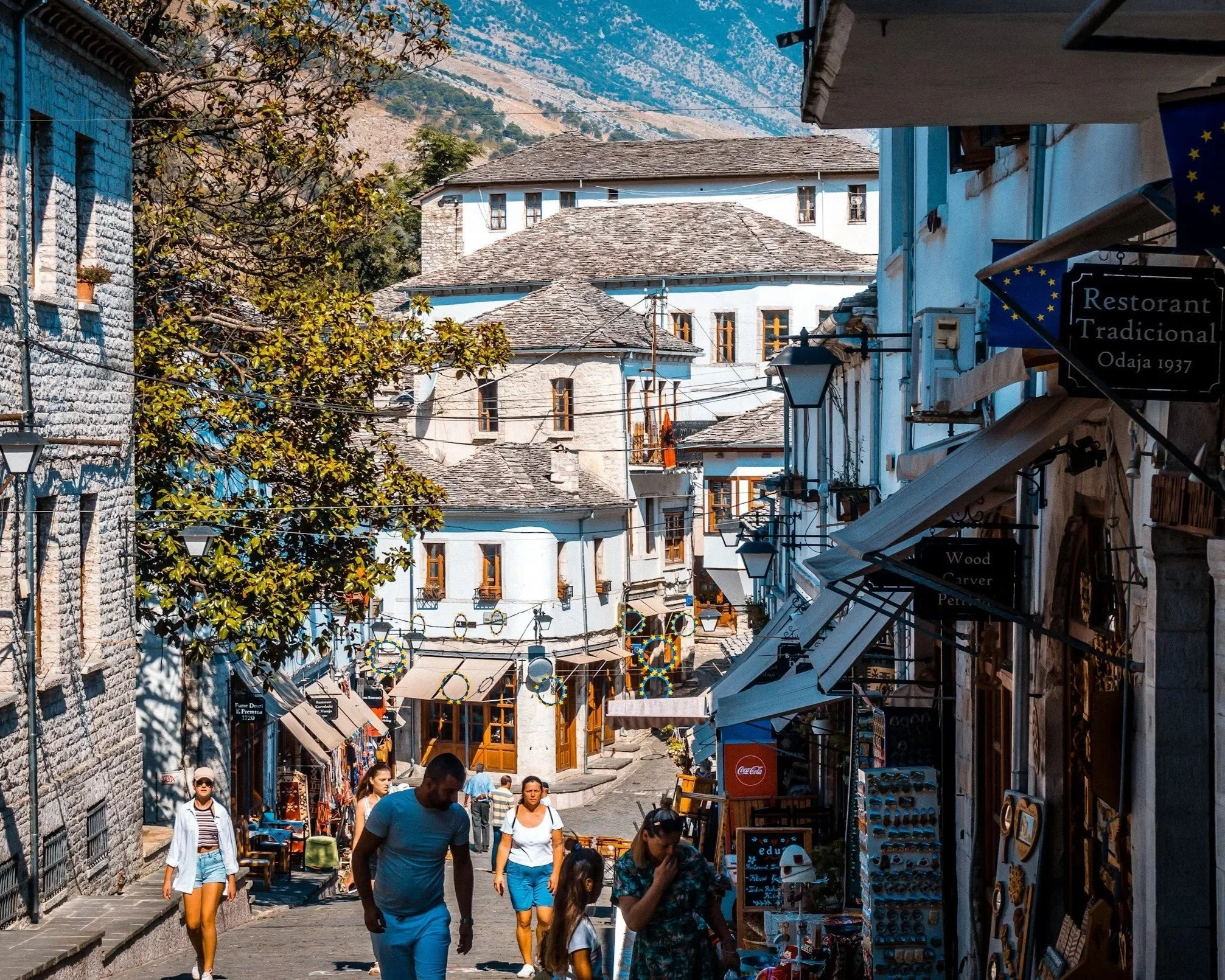
If Berat charmed us with its windows and riverside setting, Gjirokastër impressed us with its dramatic hillside location and wonderfully preserved Ottoman architecture. Often called the Stone City, Gjirokastër is another UNESCO World Heritage Site. Its historic centre is filled with stone-roofed houses, steep cobbled lanes and traditional homes built into the hillside, creating a townscape unlike almost anywhere else in Albania. The imposing Gjirokastër Castle dominates the town from above, offering panoramic views over the rooftops and surrounding valley. Exploring the old bazaar is another highlight, with its small shops, craft stalls and traditional cafes. There is a wonderful atmosphere here, particularly when you wander away from the busiest streets and discover the quieter corners of the historic centre. Gjirokastër is also a place where the architecture tells a story. The grand Ottoman houses reveal how prosperous families once lived, with distinctive stone construction, wooden interiors and rooms designed around traditional family life.
A note for families - the hills are steep, and some of the cobbled streets are challenging with a pushchair, so plan your walks around your toddler's energy levels. We found that a relaxed pace made exploring much more enjoyable.
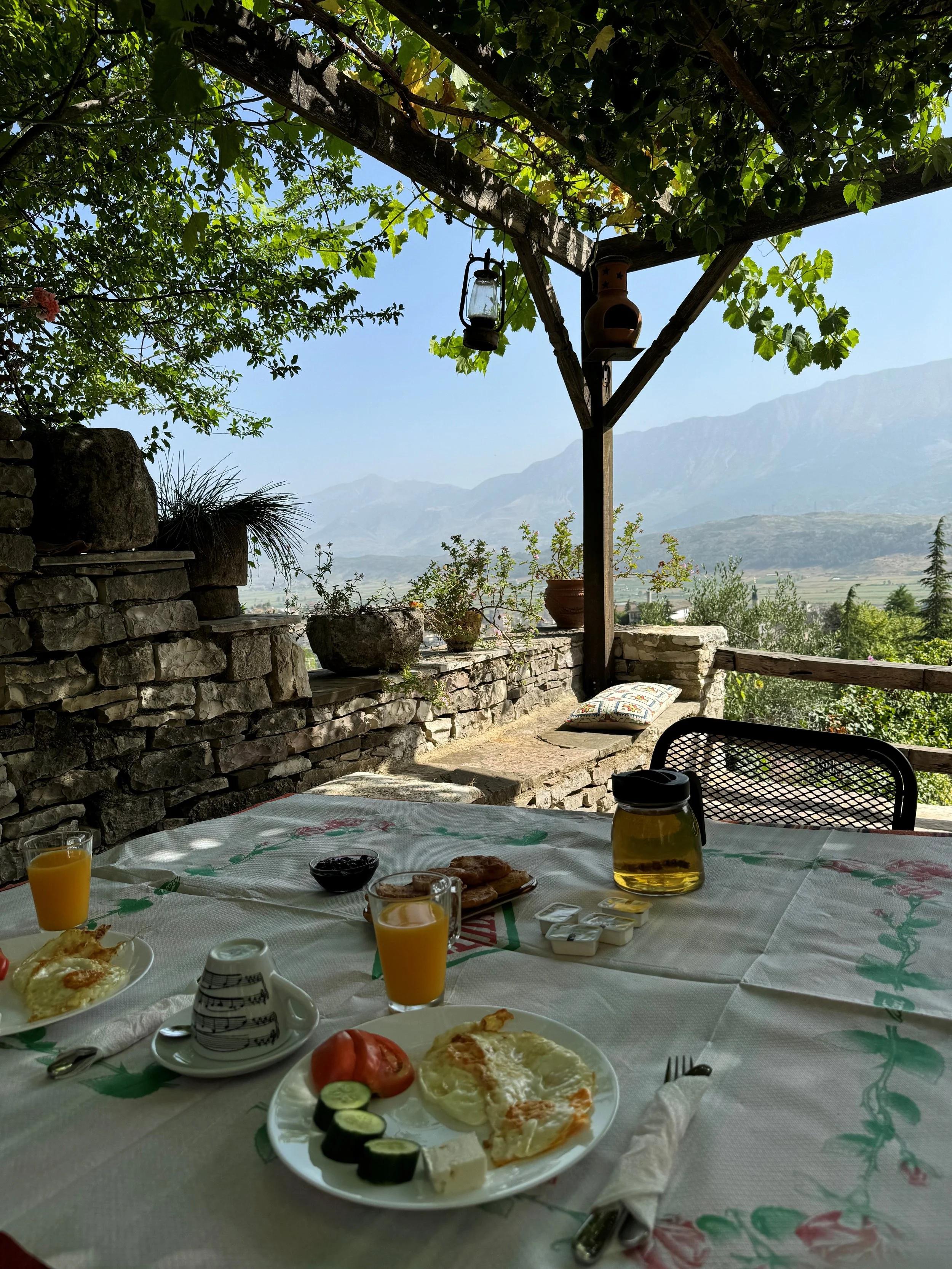
For our stay in Gjirokastër, we chose something particularly special: a traditional Ottoman house converted into a guesthouse with only four rooms. Perched on a hillside, the property offered spectacular views across the city. It was the sort of place where the setting became part of the experience, and nowhere was this more evident than at breakfast. Instead of a huge buffet, we were served a rustic, homemade breakfast prepared especially for us. Fresh local produce, traditional flavours and a peaceful setting made for a lovely start to the day. There was something wonderfully personal about the whole experience. You felt as though you were staying in someone's historic home rather than checking into a conventional hotel. And then there was the local cat, who quickly became a favourite with our son! This is exactly why we love staying in independent guesthouses. The hospitality feels personal, the buildings have character, and the experience often reflects the place you have travelled so far to see.
One of the biggest reasons we keep returning to Albania is the value for money. Compared with many popular European holiday destinations, Albania still offers opportunities to enjoy memorable accommodation, delicious food and cultural experiences without spending a fortune. For our stays in Berat and Gjirokastër, we deliberately chose traditional guesthouses. Both offered something unique, and neither required the sort of budget we might expect for accommodation with comparable character in some of Europe's better-known destinations.
Eating out was another highlight. Local restaurants and cafes provide opportunities to sample Albanian and international dishes, enjoy a leisurely meal and experience the hospitality the country is known for. Of course, prices vary depending on the season, location and style of accommodation. Albania's Riviera and the most popular summer resorts are becoming more expensive as demand grows. But in historic towns such as Berat and Gjirokastër, it is still possible to find charming places to stay and enjoy the destination at a reasonable cost. For families, this matters. When travelling with children, accommodation, meals and activities quickly add up, so finding a destination where your budget stretches further makes a genuine difference.
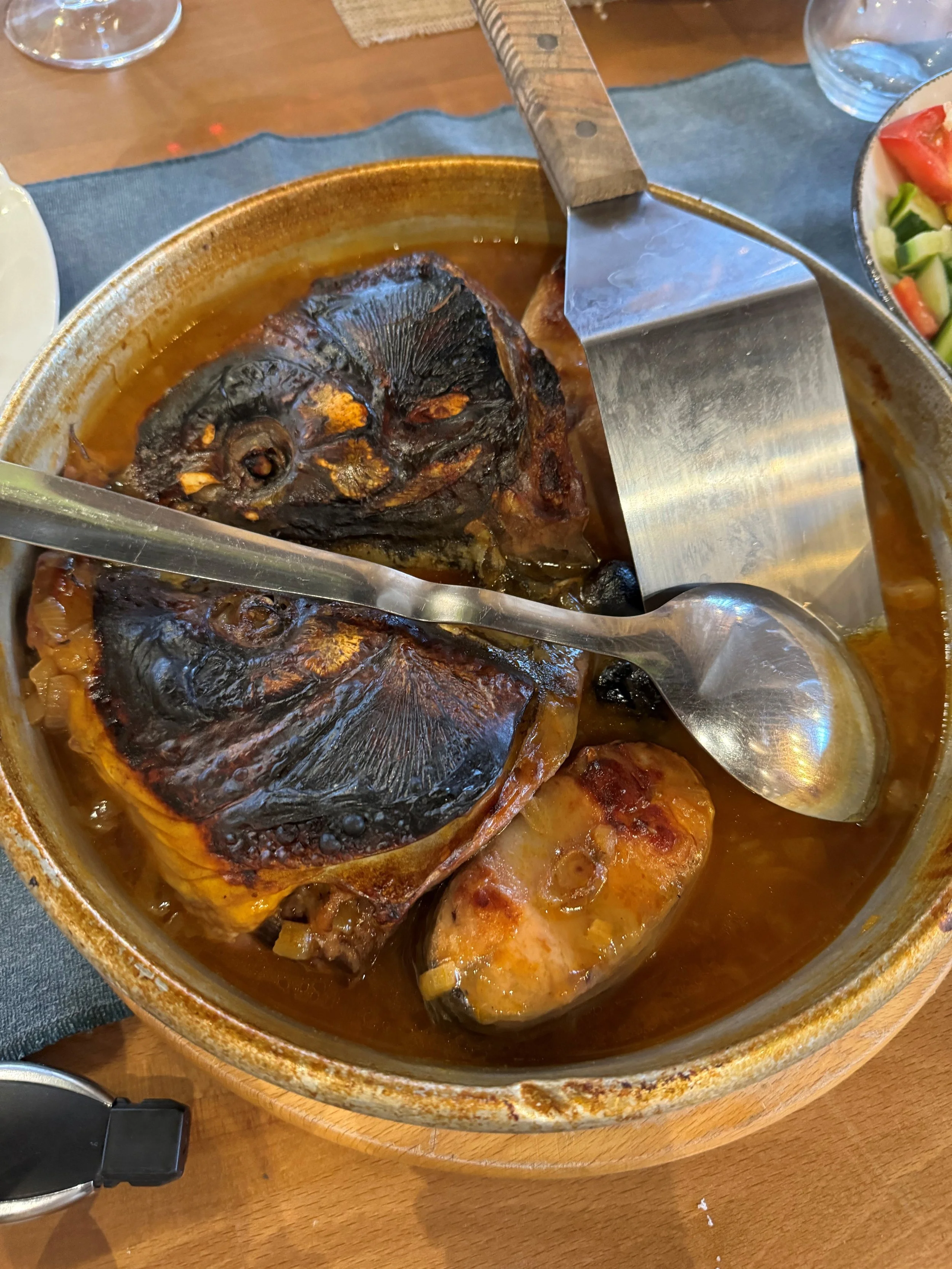
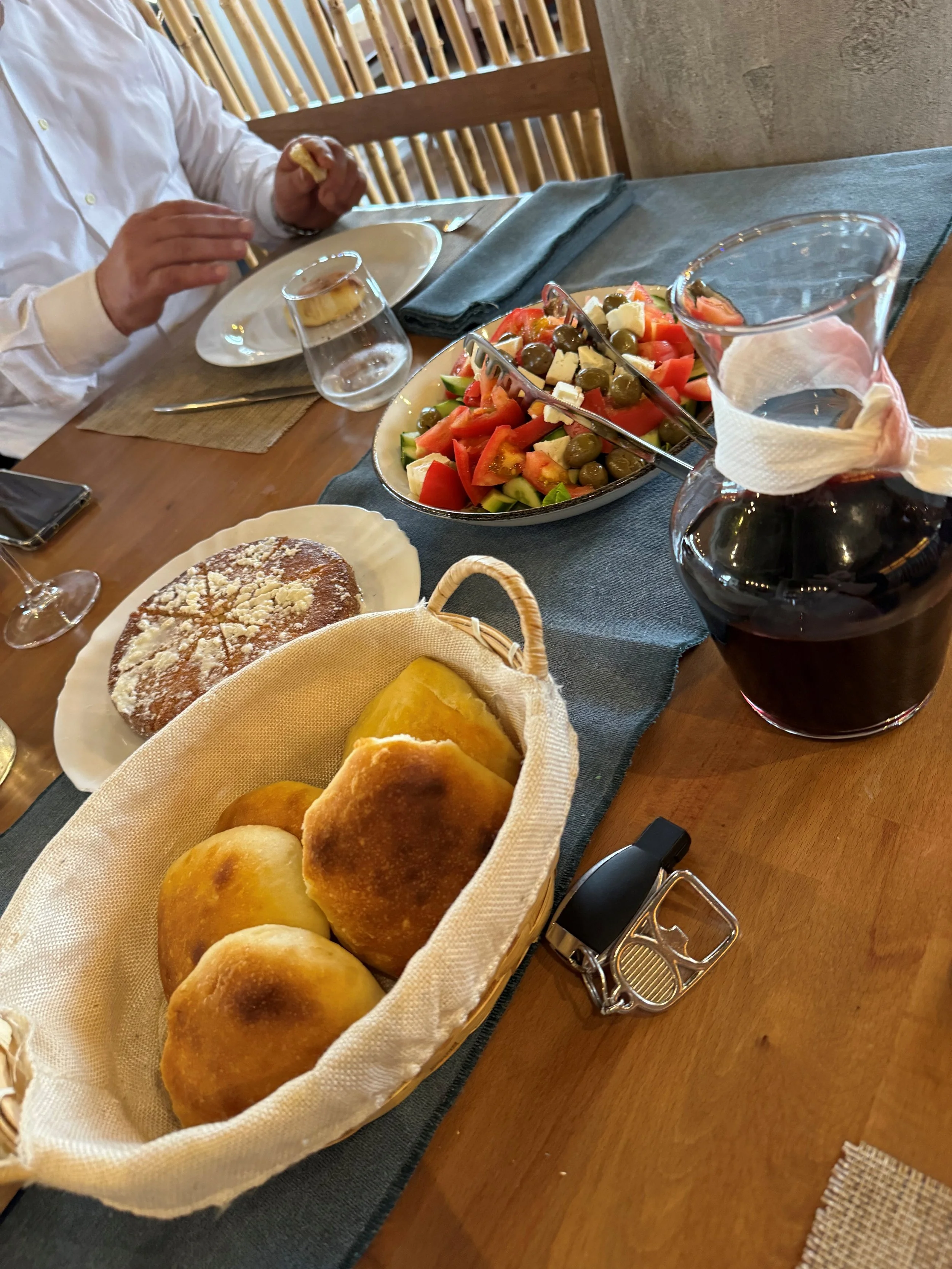
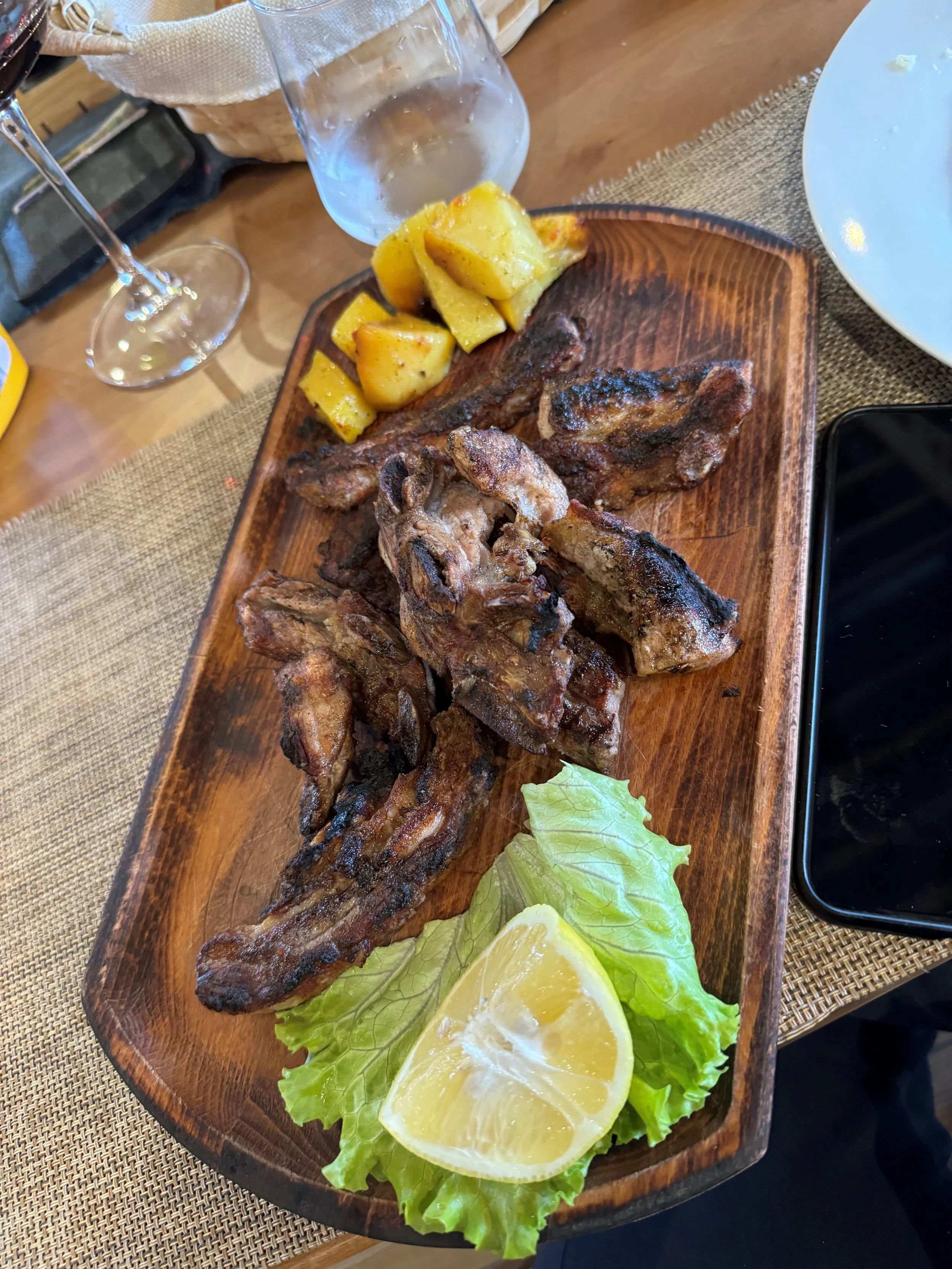
One of our favourite things about both towns is how their atmosphere changes as the day draws to a close. During the warmer months, the afternoon heat can make sightseeing tiring, particularly with a toddler. But as the temperature begins to fall, the historic streets become much more inviting. Locals head out, restaurants start filling up, and the towns take on a relaxed evening rhythm. Warm lights spill from traditional buildings, the cafes become lively, and the historic architecture feels even more atmospheric. This is when we particularly enjoy slowing down, finding a local restaurant and settling in for dinner.
Travelling with a young child has taught us to appreciate destinations where you don't need to rush from one attraction to the next. In Berat and Gjirokastër, some of our favourite experiences came from simply walking around, stopping for a drink and enjoying the surroundings. There is no need for a complicated itinerary. A wander through the old streets, a good meal and a little time to soak up the atmosphere are often enough.
Maryna travelled to Albania in the summer of 2026